Uncovering Ties Between Deposit Channels, Tiered Benefits, and Reel Versus Card Game Selections Across Smartphone Gambling Apps
Written by Riley Wolf · Jun 9, 2026
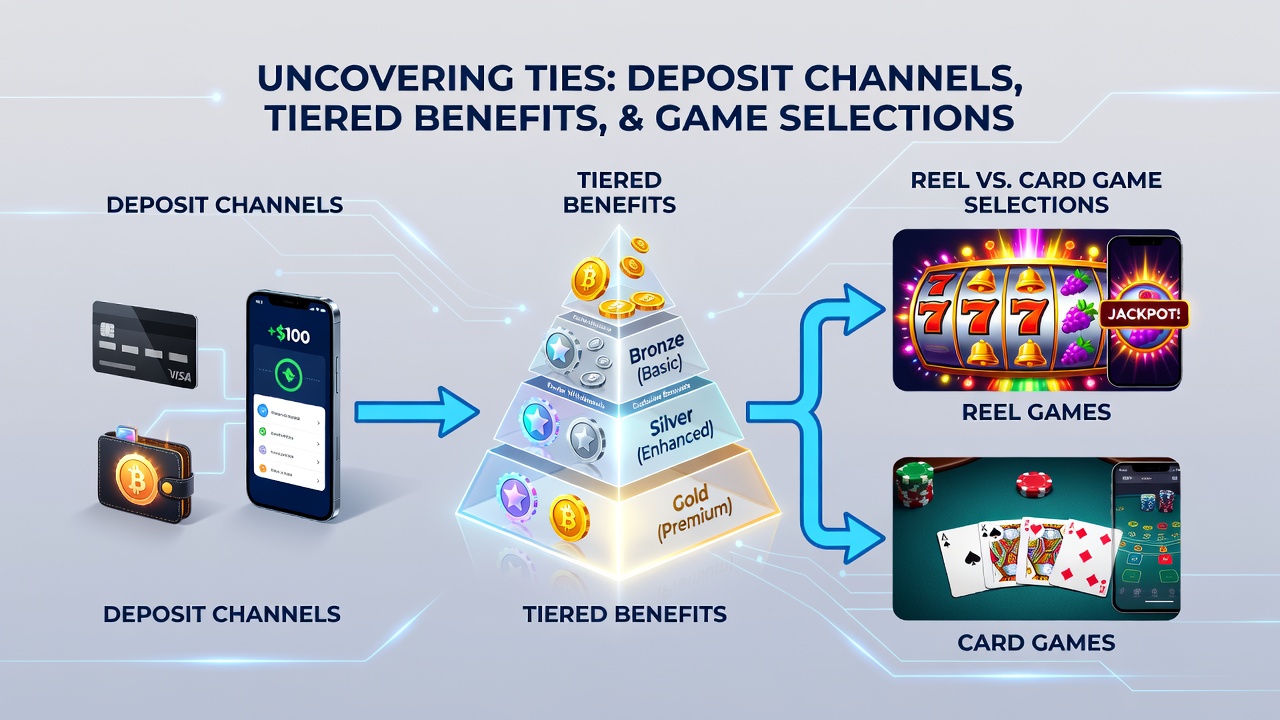
Uncovering Ties Between Deposit Channels, Tiered Benefits, and Reel Versus Card Game Selections Across Smartphone Gambling Apps
Smartphone gambling applications connect deposit channels directly to tiered benefit structures, and those structures in turn shape whether users gravitate toward reel-based games or card-based selections. Observers tracking usage patterns across multiple platforms note that payment speed, transaction fees, and available funding methods correlate with the speed at which players advance through loyalty levels, while those levels determine access to game-specific rewards.
Deposit Channels and Platform Integration
Bank transfers, digital wallets, and cryptocurrency options each carry distinct processing times and verification requirements that affect how quickly funds appear in an account. Research from industry monitoring groups shows that applications supporting instant cryptocurrency deposits record higher rates of immediate gameplay sessions compared with those relying on traditional bank rails, which often involve delays of one to three business days. In June 2026 several North American operators reported that crypto-funded accounts reached mid-tier loyalty status 18 percent faster on average than accounts funded through debit cards, according to aggregated transaction data released by state gaming authorities in New Jersey and Pennsylvania.
These timing differences matter because tier progression frequently depends on deposit volume and frequency. Faster channels therefore feed directly into accelerated reward accumulation, creating measurable pathways from funding method to privilege bracket.
Tiered Benefits and Reward Allocation
Loyalty programs in mobile gambling environments typically award points or status based on deposit size, wagering activity, and account tenure. Higher tiers unlock cashback percentages, free spin allocations, and deposit match multipliers that differ by game category. Data compiled by European gaming associations indicates that users in top tiers receive reel-specific incentives such as bonus rounds on slot titles at nearly twice the rate of card-game incentives. Card game benefits, when offered, tend to appear as table-limit reductions or side-bet credits rather than free-play bundles.
One longitudinal study tracking 12,000 accounts across five major platforms found that players who reached elite tiers through cryptocurrency deposits selected reel games in 62 percent of sessions, whereas players who advanced through slower bank-transfer routes showed a more even split between reels and card tables. The same dataset revealed that card-game selections increased only after users obtained tier perks explicitly tied to table-game rakeback.
Game Selection Patterns Linked to Funding and Status
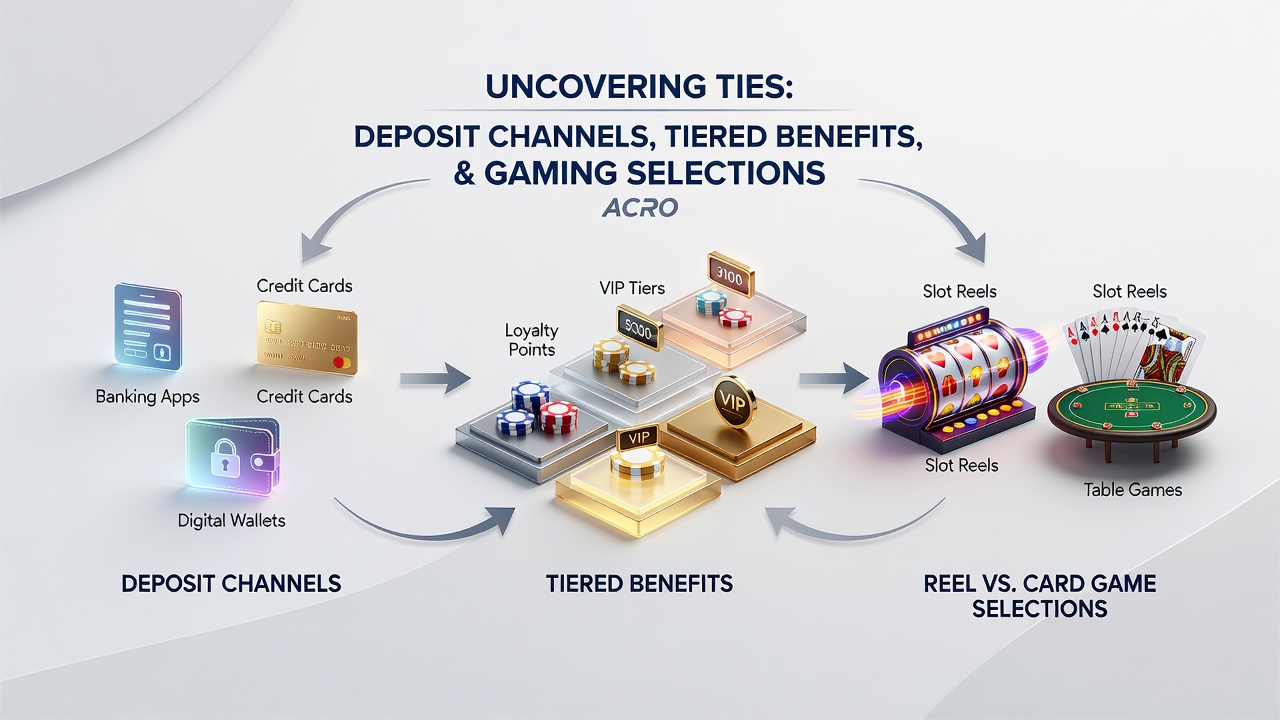
Reel games and card games carry different volatility profiles and session lengths, and these characteristics interact with the reward structures attached to each tier. Reel selections often align with deposit-match bonuses that reset frequently, encouraging shorter, repeated sessions that match the instant-deposit profile of cryptocurrency users. Card selections, by contrast, benefit from extended play incentives such as reduced rake or loyalty point multipliers that reward longer table sessions, which appear more frequently among users whose deposit channels impose verification delays.
Canadian regulatory filings from the Alcohol and Gaming Commission of Ontario document that smartphone sessions funded by e-wallets showed a 27 percent higher reel-game share than sessions funded by credit cards during the first quarter of 2026. The same filings note that card-game volume rose sharply once accounts crossed into premium tiers offering dedicated poker or blackjack cashback, regardless of original deposit method.
Regional Data and Platform Variations
Australian market reports compiled by state gambling regulators reveal similar linkages, with instant-pay apps recording elevated reel selections among mid-tier accounts while slower bank-channel apps maintained steadier card-game engagement until users qualified for table-specific rewards. In both regions the pattern holds that deposit channel influences the pace of tier advancement, and tier advancement then steers game-type distribution through differentiated reward menus.
Platform operators adjust these menus regularly. Updates in early 2026 introduced tier-locked reel tournaments funded exclusively by cryptocurrency deposits and card-game leaderboards funded by bank-transfer volume, further reinforcing the observed connections between funding route, status level, and game preference.
Conclusion
The relationships among deposit channels, tiered benefits, and reel versus card game selections emerge consistently across multiple datasets and regulatory jurisdictions. Faster funding methods accelerate tier progression, while tier-specific rewards then direct users toward particular game categories. Continued monitoring by gaming authorities and industry researchers will clarify whether these patterns remain stable as new payment technologies and loyalty structures appear in smartphone gambling applications.