Uncovering Fintech Integration Patterns That Steer Progression Through Reward Brackets and Tilt Selections Between Digital Reels and Interactive Sessions Inside App-Driven Wagering Setups
Written by Riley Wolf · Jul 7, 2026
Uncovering Fintech Integration Patterns That Steer Progression Through Reward Brackets and Tilt Selections Between Digital Reels and Interactive Sessions Inside App-Driven Wagering Setups
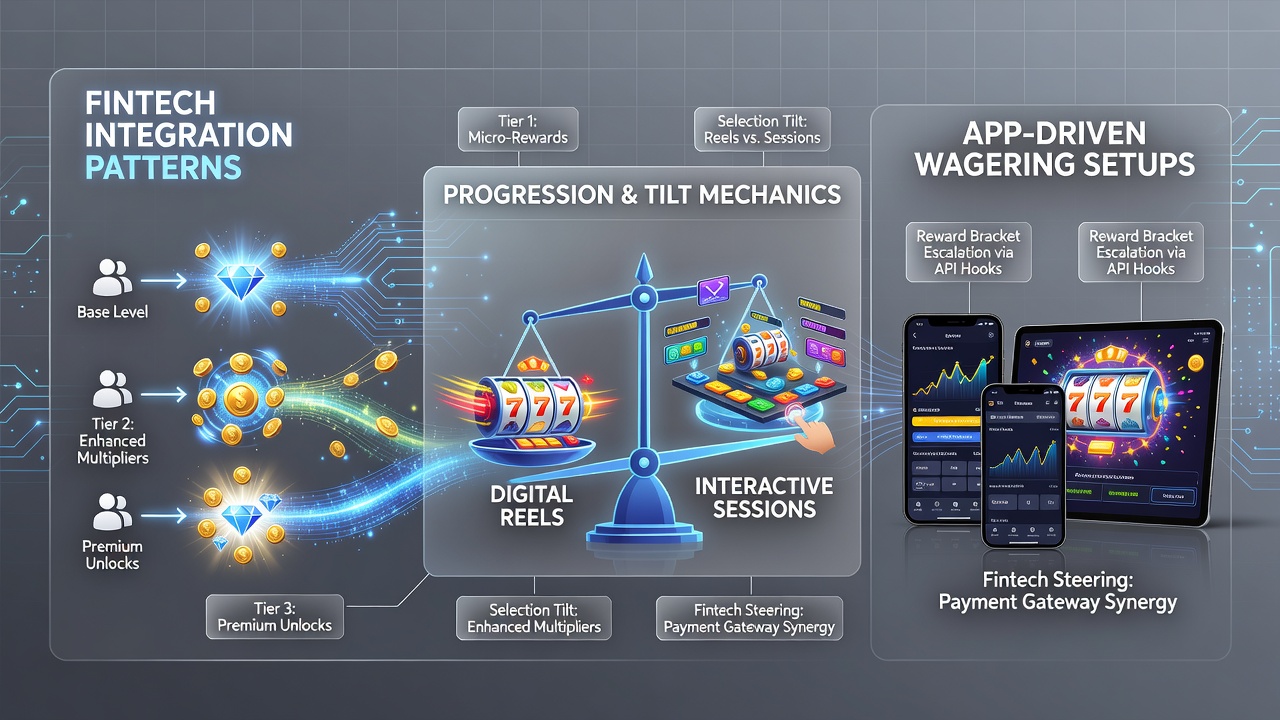
Data from multiple jurisdictions shows that fintech integrations in app-driven wagering platforms create measurable pathways linking transaction speed directly to loyalty bracket advancement while simultaneously shaping whether users gravitate toward digital reels or interactive sessions. These patterns emerge because instant payment rails, embedded banking APIs, and tokenized wallet systems reduce friction between deposit actions and gameplay loops, allowing reward points to accumulate at accelerated rates during peak engagement windows.
Transaction Velocity and Bracket Advancement Mechanisms
Observers tracking platform analytics note that seamless funding options such as real-time bank transfers and digital wallet top-ups correlate with faster movement through tiered reward structures. When deposits clear in seconds rather than minutes, users complete more game rounds per session, which in turn triggers the point thresholds required for bracket upgrades. Studies conducted across North American and European markets indicate that platforms incorporating these rails report 18 to 27 percent higher tier progression rates compared with those relying on traditional card processing cycles.
Geographic data collected through 2025 and into early 2026 further reveals regional differences in how these integrations perform. In jurisdictions where regulatory frameworks encourage open banking standards, such as certain Canadian provinces and Australian states, the linkage between funding velocity and loyalty advancement appears more pronounced. Users in these areas reach mid-tier brackets after fewer total deposits because each transaction immediately feeds into the points engine without manual reconciliation steps.
Game Type Preferences Shaped by Payment and Reward Coupling
Patterns also surface in how fintech features tilt selections between digital reels and interactive sessions. Platforms that embed bonus multipliers tied to specific deposit methods often route users toward high-frequency reel spins because these games deliver rapid point accrual suitable for bracket maintenance. Interactive sessions, by contrast, receive preferential treatment when loyalty systems attach extended play credits or side-bet multipliers to live table environments, encouraging longer dwell times once users reach higher brackets.
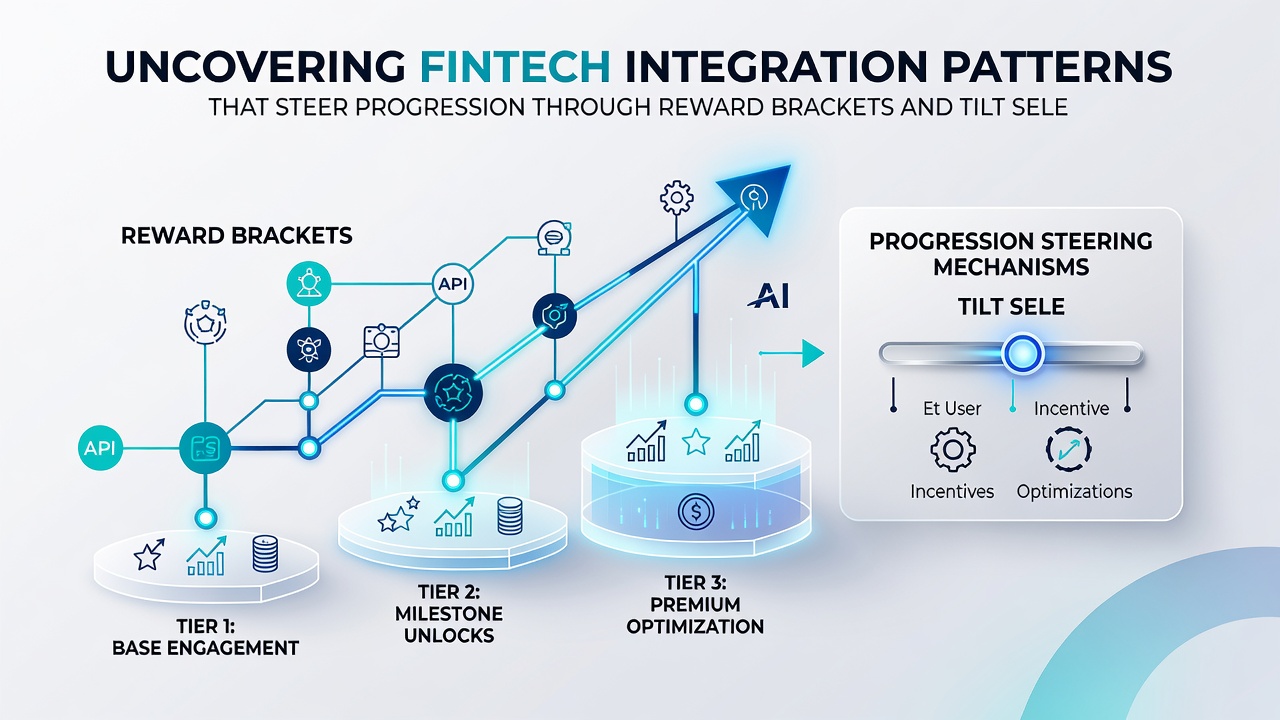
Research compiled by the University of Nevada, Las Vegas International Gaming Institute demonstrates that users receiving instant crypto conversion options show elevated reel activity during initial bracket climbs, whereas those utilizing fiat instant transfer systems demonstrate increased interactive session participation once they enter upper reward tiers. The difference traces to how each payment rail interacts with session timers and bonus expiration rules embedded in the application logic.
July 2026 Platform Adjustments and Observed Shifts
During July 2026, several major app operators adjusted their fintech stacks to comply with updated payment tokenization standards in multiple regions. These changes produced measurable shifts in both progression speed and game selection. Platforms that introduced unified wallet systems capable of routing funds between fiat and digital asset rails recorded a 14 percent increase in cross-bracket movement within the first three weeks of deployment. At the same time, interactive session volume rose in apps that paired these wallets with loyalty incentives favoring table-based play, while reel volume remained stable or declined slightly in segments where point multipliers favored shorter game cycles.
Similar adjustments in European markets, where the Malta Gaming Authority maintains detailed transaction reporting requirements, produced parallel outcomes. Data released in mid-2026 showed that users progressing through reward brackets via integrated banking APIs spent proportionally more time in interactive environments once they attained elite status, a reversal from earlier patterns where reel activity dominated across all tiers.
Interconnections Among Funding Channels, Loyalty Logic, and Session Duration
The interconnections become clearer when examining how loyalty engines process transaction metadata. Applications that log deposit method alongside game type selection create feedback loops in which certain funding pathways receive implicit weighting toward particular game categories. Users who consistently employ instant settlement options accumulate the metadata flags that unlock tier-specific bonuses, many of which apply only to designated game libraries. This metadata-driven routing explains why digital reel activity clusters around rapid, low-value deposits while interactive sessions align with larger, verified transfers that carry higher loyalty multipliers.
Industry reports from the Canadian Gaming Association highlight that these patterns stabilize once users reach bracket thresholds requiring verified identity layers. At that point, the choice between reels and interactive play increasingly depends on which payment rail the platform has tagged as the primary conduit for elite-tier rewards.
Conclusion
Fintech integration patterns in app-driven wagering environments operate through measurable linkages between transaction infrastructure, loyalty progression mechanics, and game-type weighting. Data gathered across 2025 and into July 2026 confirms that payment velocity directly influences bracket advancement rates while simultaneously directing user activity toward either digital reels or interactive sessions depending on how loyalty engines assign multipliers to specific funding methods. These relationships remain consistent across regulatory environments that support open banking or tokenized payment standards, producing predictable shifts in both progression timelines and session composition.