Tracing Cryptocurrency Flow Routes to Elite Status Upgrades and Wagering Format Shifts Across Smartphone Gambling Platforms
Written by Greta Neumann · Jun 7, 2026

Tracing Cryptocurrency Flow Routes to Elite Status Upgrades and Wagering Format Shifts Across Smartphone Gambling Platforms
Data from mobile gambling platforms shows cryptocurrency deposits moving through specific routes that connect directly to player account upgrades and changes in preferred game formats, and observers tracking these patterns note how transaction volumes influence tier advancements while wagering preferences evolve on smartphone interfaces. Research indicates that blockchain-based payments often bypass traditional processing delays, which allows funds to reach user balances faster and trigger loyalty algorithms that monitor deposit frequency along with bet sizes. Those who've studied transaction logs across multiple apps find that larger crypto inflows frequently accelerate progress toward elite tiers, whereas smaller recurring transfers maintain steady advancement without sudden jumps.
Cryptocurrency Pathways and Their Role in Account Progression
Analysts examining blockchain records observe that users route funds through wallets supporting major coins like Bitcoin and Ethereum, and these flows often pass through mixers or direct exchange integrations before landing in casino accounts, which creates traceable yet layered paths that platforms use to verify activity levels. In June 2026 reports highlighted increased crypto adoption on mobile apps as transaction volumes rose, and data shows platforms adjusting their algorithms to reward consistent inflows with status points that unlock exclusive features. People who monitor these systems note how the speed of confirmation on certain networks, such as those using proof-of-stake, reduces wait times and lets players reach higher tiers more quickly compared to slower chains.
Studies from industry groups reveal that once funds settle, the system logs cumulative spend and win rates to calculate eligibility for upgrades, which means a single large crypto deposit can push an account across multiple thresholds at once while repeated smaller ones build gradual momentum. This process ties directly into reward structures where elite status brings benefits like personalized game access and higher withdrawal limits, and evidence suggests these upgrades encourage shifts away from basic formats toward more complex wagering options available on the same apps.
Changes in Wagering Formats Tied to Funding Sources
Platform metrics demonstrate that accounts funded primarily through cryptocurrency tend to migrate toward live dealer tables and progressive formats once status levels increase, whereas initial deposits often support simpler slot play before users explore advanced features. According to the American Gaming Association, mobile wagering data from early 2026 indicated a measurable uptick in live game participation among high-volume crypto users, and this pattern appears linked to the instant availability of funds that supports longer sessions without interruption. Observers note how the transition happens because elite tiers unlock table minimums and side bet options that align with higher account balances.
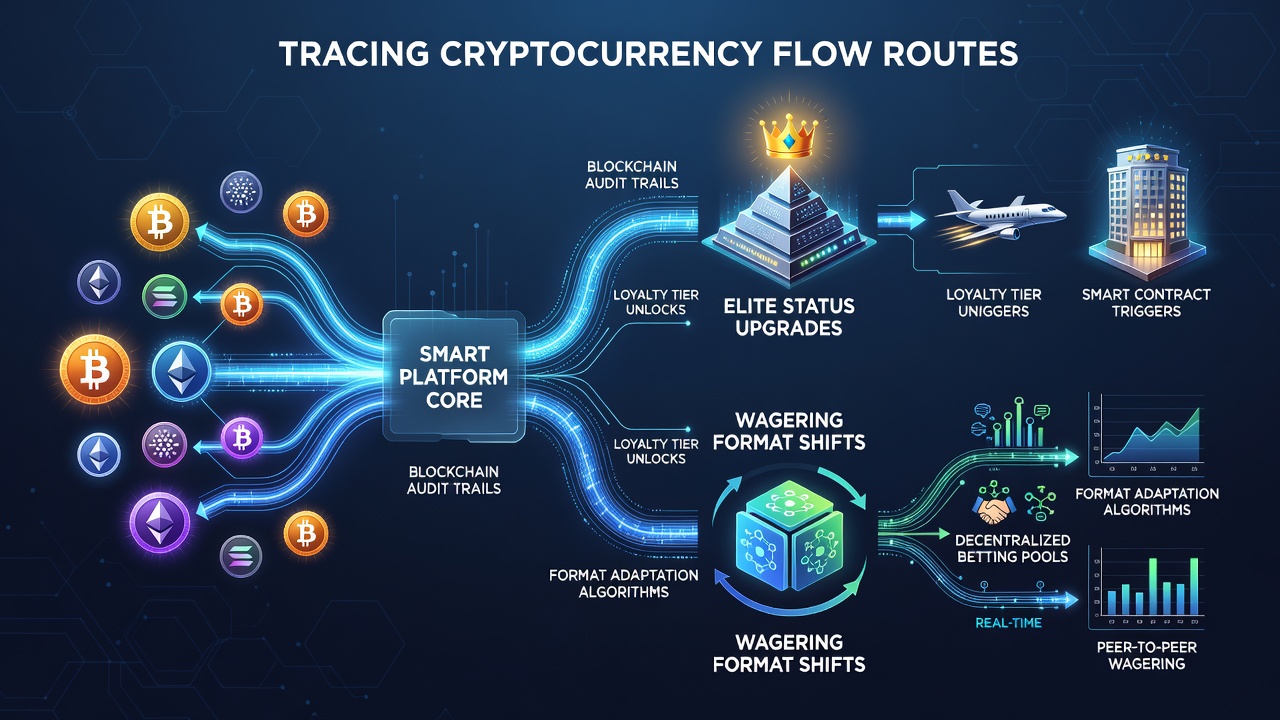
Further examination of user behavior logs indicates that smartphone interfaces adapt recommendations based on funding type and tier, pushing crypto-heavy accounts toward formats with variable stakes and real-time interaction once elite access activates. Research from academic sources at the University of Nevada, Las Vegas, found correlations between crypto transaction speed and increased engagement with poker variants or baccarat roadmaps, and these shifts occur because the platforms detect sustained activity that justifies format diversification. Those tracking app analytics see how the move from automated games to interactive ones often coincides with status elevation, creating a feedback loop where upgraded users receive prompts for new game types that match their verified funding patterns.
Platform Adaptations and Regional Data Trends
Mobile operators have adjusted backend systems to handle diverse crypto routes while maintaining compliance with varying regional rules, and figures from the Canadian Gaming Association show steady growth in cross-border app usage where cryptocurrency enables seamless tier progression regardless of local banking restrictions. In practice this means players in different jurisdictions experience similar upgrade mechanics once funds clear, although the specific wagering formats promoted may differ based on regulatory allowances for table games versus slots. Data indicates that June 2026 saw platforms testing new hybrid formats that combine elements of live play with automated features, and these innovations appear designed to retain users who arrive via crypto pathways and advance through elite brackets.
Additional analysis of transaction chains reveals that privacy-focused coins sometimes create shorter routes to upgrades because their networks process transfers with fewer intermediaries, which allows platforms to verify activity faster and apply status changes without extended review periods. Experts have observed that this efficiency influences game selection, as upgraded accounts gain access to higher-stakes options that reward quicker decision-making typical of smartphone users. The overall effect documented across multiple providers shows funding source and tier level acting as primary drivers behind format evolution rather than random preference changes.
Conclusion
Patterns emerging from cryptocurrency flow analysis demonstrate clear connections to elite status systems and subsequent adjustments in mobile wagering formats, with data continuing to map how transaction characteristics shape user progression and game engagement across smartphone platforms. These documented routes provide measurable indicators for how funding methods interact with loyalty mechanics and format availability in the current environment.