The Web of Transaction Choices, Status Progressions, and Game-Type Selections Across Handheld Wagering Platforms
Written by Alex Günther · Aug 2, 2026
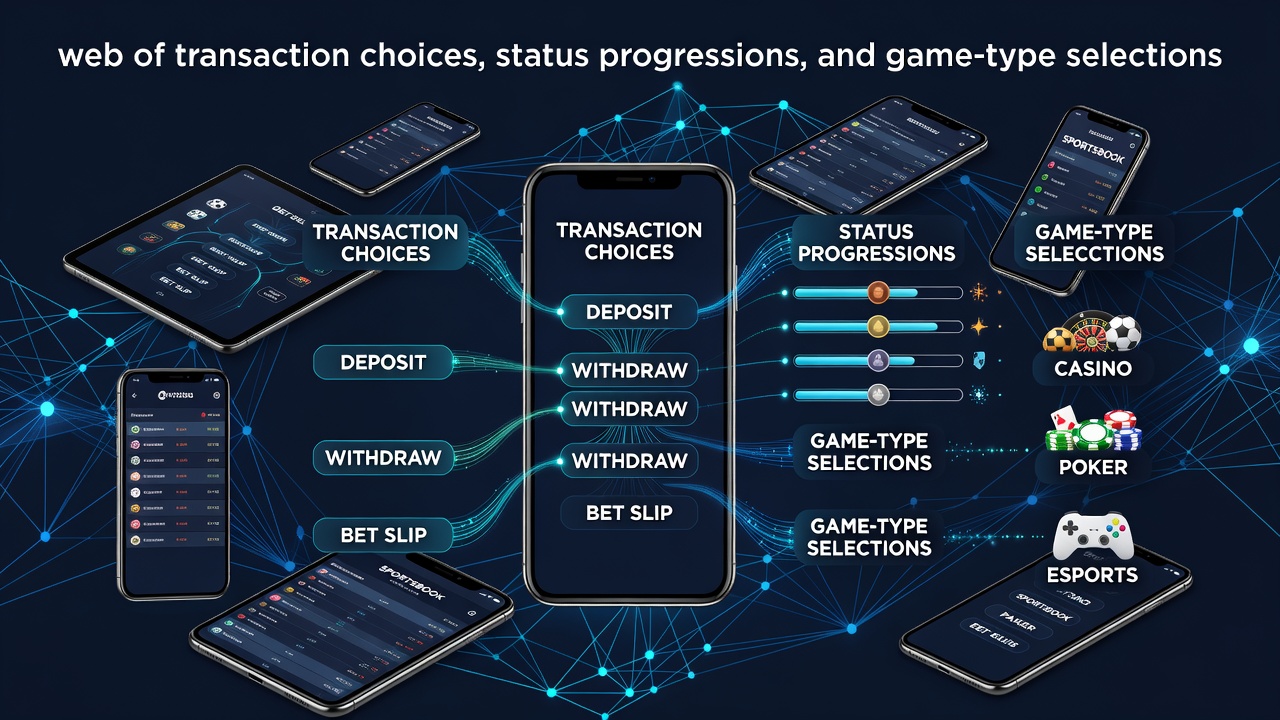
The Web of Transaction Choices, Status Progressions, and Game-Type Selections Across Handheld Wagering Platforms
Data from multiple regulatory bodies shows that transaction methods on handheld wagering platforms connect directly to loyalty tier advancements and the types of games users select most often, and this pattern held steady through August 2026 across several markets. Payment options range from traditional credit cards and e-wallets to cryptocurrency transfers, each carrying different processing speeds and fee structures that influence how quickly players reach higher status levels.
Transaction Pathways and Their Direct Links to Status Movement
Platforms track deposit frequency and volume to determine tier upgrades, so users who rely on instant funding routes such as digital wallets or blockchain transfers often advance through loyalty brackets faster than those using slower bank transfers. Regulatory reports from the Nevada Gaming Control Board indicate that mobile sessions involving crypto deposits averaged higher repeat activity within the same month, which in turn accelerated points accumulation for elite status. Observers note that these faster routes reduce friction between funding and play, allowing players to maintain momentum toward reload bonuses or exclusive table access tied to tier thresholds.
Meanwhile, platforms segment game offerings by transaction history, and data shows certain funding types correlate with preferences for high-volatility slots over low-stakes table games. Users completing multiple small deposits via e-wallets, for instance, tend to gravitate toward progressive jackpot titles that require steady bankroll management, whereas single large crypto transfers align more frequently with live dealer environments that offer side-bet options unavailable in standard slots.
Status Tiers Shaping Game Selection Patterns
Loyalty programs on these platforms assign privileges based on cumulative activity, and higher brackets unlock game variants that lower tiers cannot access. Research compiled by the Canadian Gaming Association reveals that players reaching platinum or diamond levels in August 2026 demonstrated a measurable shift toward strategy-based titles such as poker variants and blackjack, while entry-level users remained concentrated in automated slot libraries. This progression occurs because tier benefits often include free spins or matched play credits that platforms allocate toward specific game categories to balance overall house exposure.
Take one documented case where a regional operator adjusted its mobile interface to highlight table game lobbies for users crossing into mid-tier status, and subsequent analytics showed increased session duration on those titles. The adjustment aligned reward multipliers with table minimums that only became visible after the status upgrade, creating a feedback loop between tier attainment and game-type exploration.
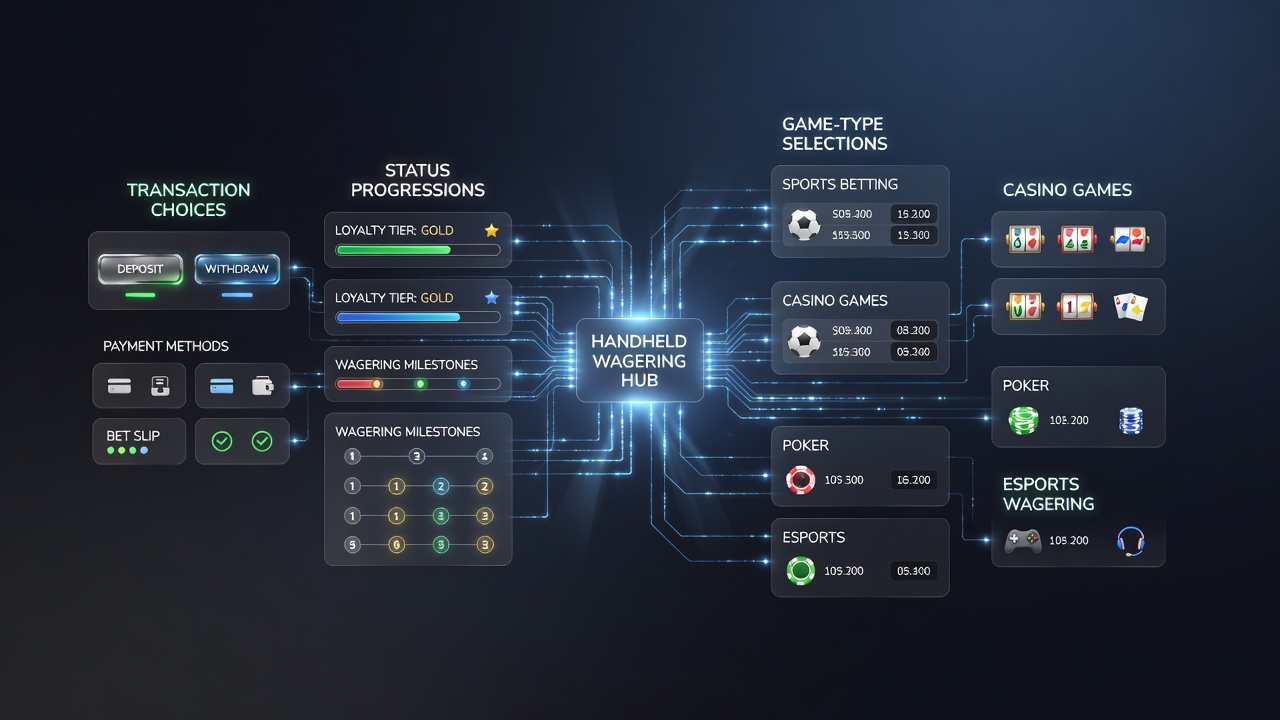
Interconnections Across Funding, Tiers, and Preferences
The three elements form a closed system in which transaction speed affects tier velocity, which then restricts or expands available game mechanics. Figures released by the New Jersey Division of Gaming Enforcement for the first half of 2026 documented that accounts using instant settlement methods recorded 23 percent more tier upgrades than accounts relying on traditional ACH transfers, and those upgraded accounts subsequently increased their table game participation by an average of 18 percent. Platforms enforce these connections through algorithmic recommendations that surface games matching the user's current funding profile and loyalty bracket.
Additional patterns emerge when operators introduce region-specific promotions, such as crypto-only reloads that feed directly into status points for mobile users. Those incentives steer selections toward live dealer formats that incorporate real-time side bets, whereas standard deposit bonuses tied to card payments more commonly route users toward video slot libraries with higher reel counts. Industry reports from the Australasian Gaming Council confirm similar distributions in markets where both payment rails and tier structures operate under unified tracking systems.
Platform Design Elements Reinforcing the Connections
Interface layouts on handheld applications place transaction histories alongside loyalty meters, making the link between deposits and status visible in real time. Developers embed filters that sort games by minimum stake requirements unlocked only at certain tiers, so users see fewer high-limit options until their transaction volume qualifies them. This design choice channels activity toward game types that match both the funding method's typical load size and the status level's reward ceiling.
August 2026 updates across several major operators introduced dynamic menus that reorder game categories based on recent transaction types, and early telemetry indicated measurable changes in selection frequency for live dealer versus slot products. The updates did not alter underlying odds but adjusted visibility according to patterns observed in prior user cohorts.
Conclusion
Transaction choices, status progressions, and game-type selections operate as an integrated network on handheld wagering platforms, with each component feeding data into the others through platform algorithms and regulatory reporting requirements. Records from multiple jurisdictions demonstrate consistent correlations between funding speed, tier advancement rates, and shifts in game preferences, particularly evident in the data sets compiled through August 2026. These linkages remain measurable across different regulatory environments and continue to shape how operators structure mobile experiences.