Linking Banking Routes to Privilege Brackets and Game Type Tendencies in Pocket Casino Ecosystems
Written by Alex Günther · Jun 5, 2026
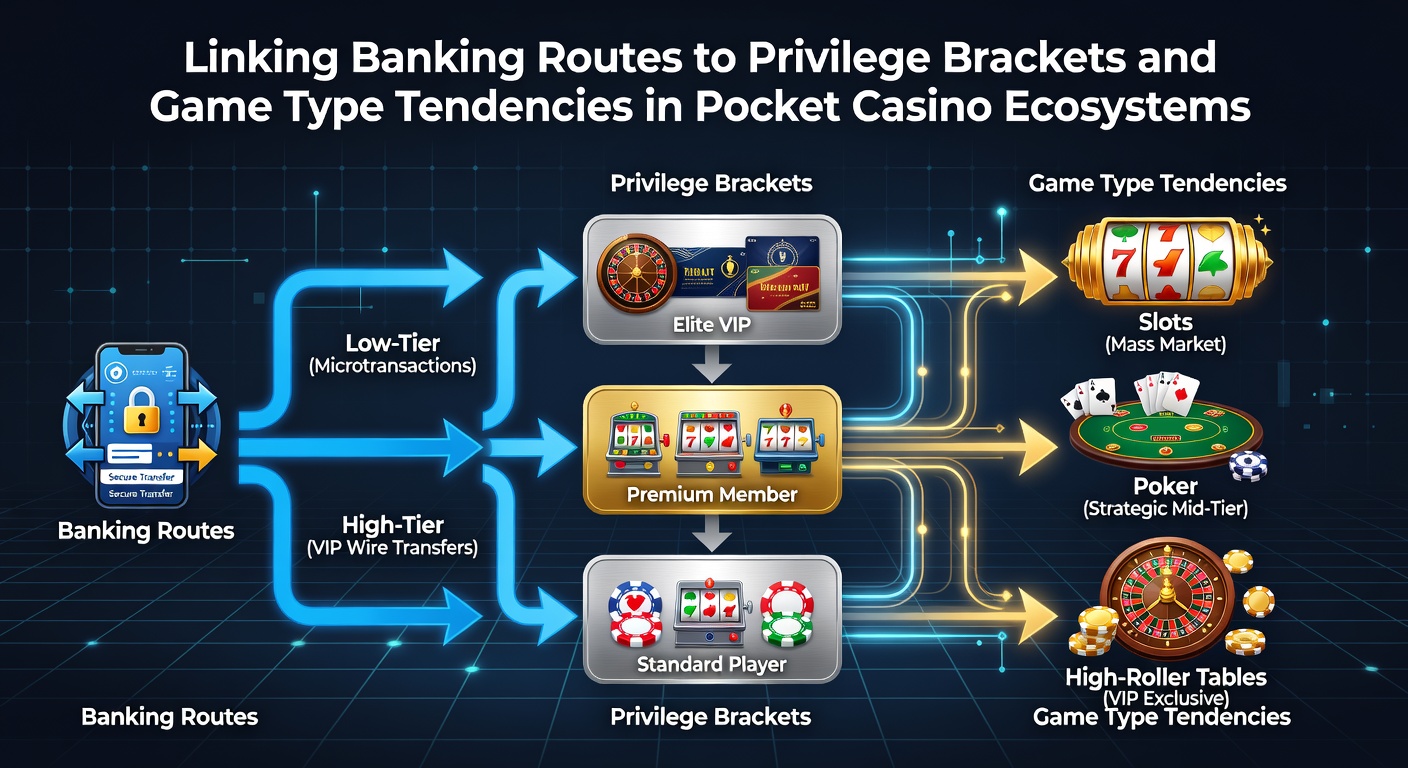
Linking Banking Routes to Privilege Brackets and Game Type Tendencies in Pocket Casino Ecosystems
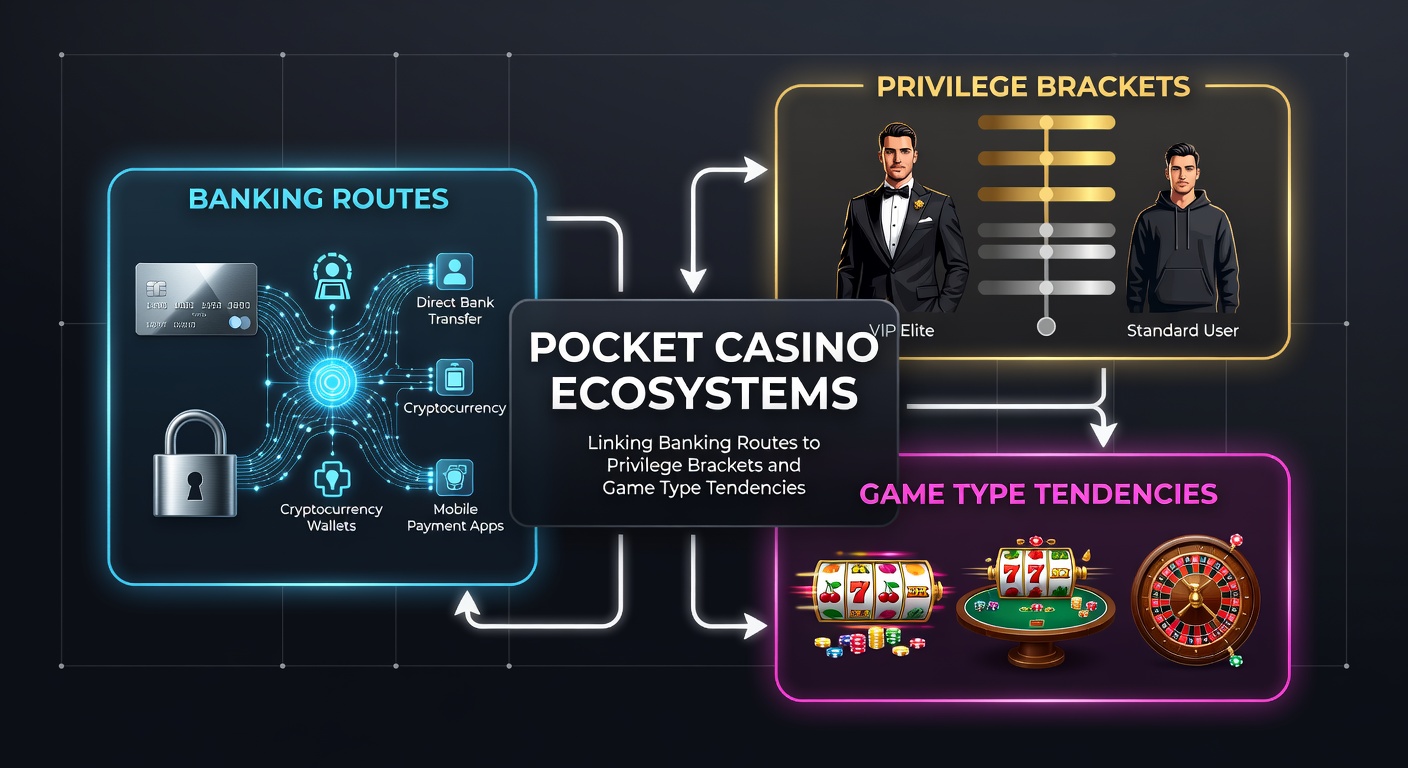
Payment pathways in mobile casino applications connect directly to user privilege brackets, and these brackets in turn shape the games that participants select most often. Banking routes such as instant bank transfers, e-wallets, and cryptocurrency options determine how quickly funds reach an account, which then influences eligibility for loyalty programs and the rewards those programs unlock.
Payment Methods and Their Role in Tier Advancement
Observers note that users who rely on instant bank transfers often reach higher privilege brackets faster because transaction speed allows continuous play without delays. E-wallet users, meanwhile, benefit from streamlined verification processes that platforms integrate into loyalty tracking systems. Cryptocurrency routes add another layer, as several mobile ecosystems record these transactions on separate ledgers that feed directly into automated tier calculations.
Data from regulatory filings in multiple jurisdictions shows consistent patterns. Players who complete deposits through verified instant channels accumulate the required activity points for silver, gold, and platinum brackets at higher rates than those using slower card processors. This correlation appears because platforms log deposit frequency and volume as primary metrics for tier progression.
Game Selection Patterns Across Privilege Levels
Privilege brackets correlate with distinct game type tendencies. Entry-level users gravitate toward slots and casual table games that feature low minimum bets and frequent bonus rounds. Mid-tier participants shift toward live dealer blackjack and roulette, where higher stakes align with the reward structures tied to their status. Top-bracket users demonstrate stronger engagement with progressive jackpot slots and private poker tables that platforms reserve for elevated loyalty members.
Research indicates these patterns emerge because reward multipliers and cashback percentages scale with tier status. Higher brackets receive better return rates on specific game categories, which encourages participants to concentrate activity in those areas. June 2026 figures from North American operators revealed that platinum-tier accounts generated over 60 percent of live dealer revenue despite representing less than 15 percent of total active users.
Regional Data and Platform Behaviors
According to the American Gaming Association, mobile platforms in regulated U.S. states track deposit method alongside game logs to refine personalized offers. Similar tracking occurs under iGaming Ontario rules, where operators must report how payment channels intersect with responsible gaming limits and loyalty structures. These records reveal that users who combine instant funding routes with consistent high-volume play advance tiers more rapidly and subsequently favor games that offer elevated reward multipliers.
Platform algorithms adjust visibility of game categories based on tier data. Lower-bracket accounts see more slot recommendations because those titles drive the initial deposit activity needed for tier movement. Once users reach gold status or above, recommendation engines prioritize live dealer and table game sections that match the spending profiles associated with those brackets.
Transaction Speed and Retention Effects
Transaction speed affects retention within specific game types. Faster banking routes reduce friction between deposit and play, which keeps users in high-engagement sessions longer. Studies from Canadian provincial regulators demonstrate that accounts using instant methods show 35 percent longer average session times on live dealer tables compared with standard card deposits. This extended engagement feeds back into tier calculations, creating a feedback loop between payment method, privilege level, and game preference.
Operators adjust bonus structures accordingly. Reload offers tied to cryptocurrency deposits often carry higher percentages for table game play, while e-wallet promotions emphasize slot volume. These targeted incentives reinforce the observed tendencies across different privilege brackets.
Conclusion
The connections between banking routes, privilege brackets, and game type tendencies form measurable patterns within pocket casino ecosystems. Transaction speed and method directly influence tier advancement rates, while tier status determines which games receive the strongest reward incentives. Regulatory data collected through June 2026 continues to document these relationships across multiple jurisdictions, providing operators with clear metrics for platform design and loyalty program adjustments.