How Transaction Pathways Shape Reward Structures and Game Preferences in Handheld Wagering Spaces
Written by Greta Coleman · May 22, 2026
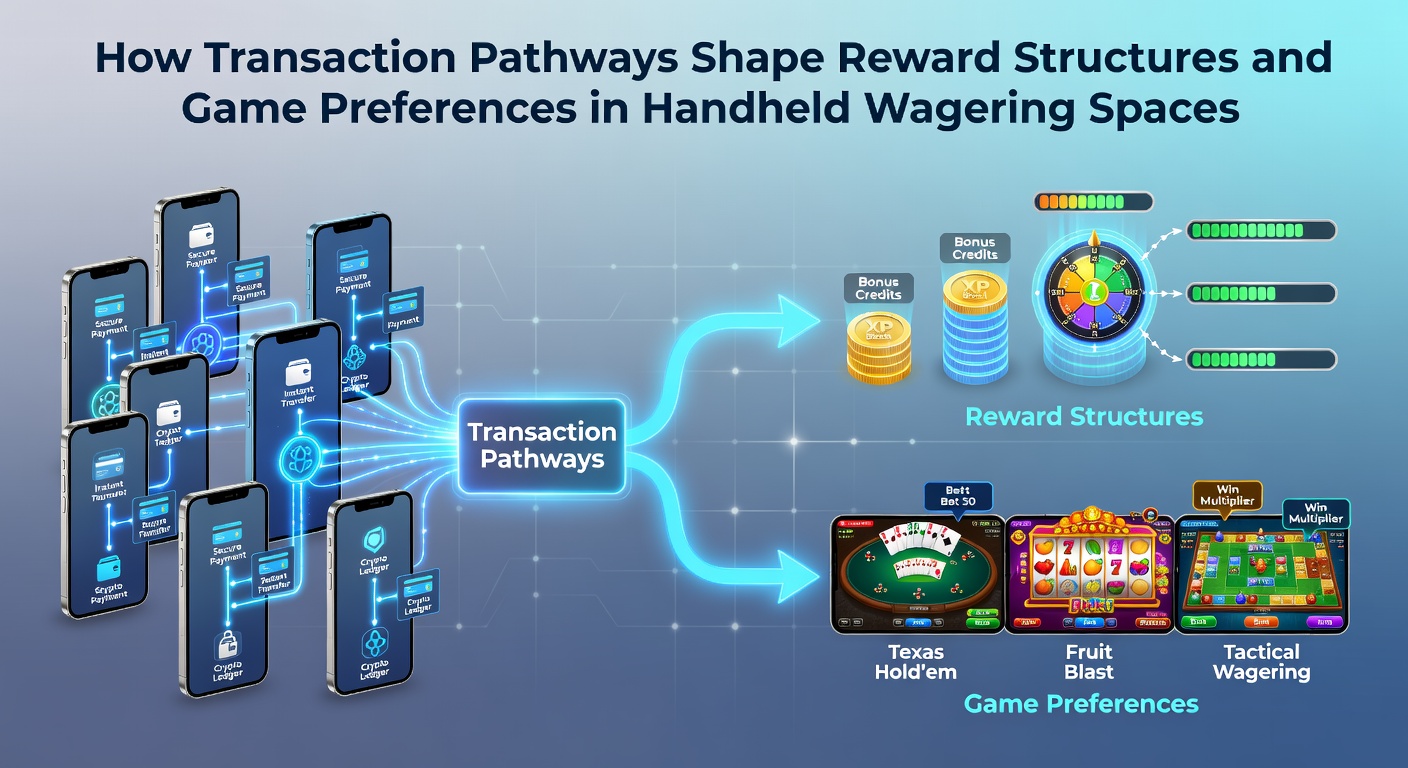
How Transaction Pathways Shape Reward Structures and Game Preferences in Handheld Wagering Spaces
Transaction pathways in handheld wagering environments connect payment methods directly to reward systems, and observers note that this linkage influences how players select games across mobile platforms. Digital wallets, bank transfers, and emerging options like instant settlement services create different timelines for fund movement, which in turn determine when loyalty points accumulate and bonus offers activate. Data from recent industry analyses shows that faster pathways often align with time-sensitive promotions, while slower routes tie into structured reward ladders that reward consistent volume over speed.
Payment Methods and Their Role in Reward Activation
Studies indicate that players using instant deposit services receive loyalty tier upgrades within minutes rather than days, and this timing shapes access to exclusive game lobbies. Researchers tracking mobile activity in early 2026 found that accounts funded through e-wallets recorded higher participation in progressive jackpot titles compared with those relying on traditional card processing. The difference stems from reward structures that release free spins or cashback credits immediately after confirmation, encouraging users to explore high-stakes options before the session ends.
But here's the thing: not every pathway supports the same reward velocity. Bank wire options, still common in certain regions, link to milestone-based bonuses that accumulate across multiple sessions, whereas cryptocurrency transfers often unlock one-time multipliers tied to deposit size. Figures from regulatory summaries in May 2026 reveal that jurisdictions allowing crypto deposits saw a measurable shift toward volatility-focused games, as players capitalized on quick reward cycles to chase larger multipliers.
Influence on Game Selection Patterns
Game preferences evolve alongside the friction level of each transaction route. Low-latency pathways correlate with preferences for live dealer tables and rapid spin slots, because rewards appear in real time and sustain engagement. Slower methods, by contrast, pair more frequently with strategy-oriented table games where players monitor bankroll stability over longer periods. One analysis of portable betting data demonstrated that users completing deposits via mobile carrier billing spent extended time on blackjack variants, likely due to the structured payout schedules that match the delayed reward delivery.
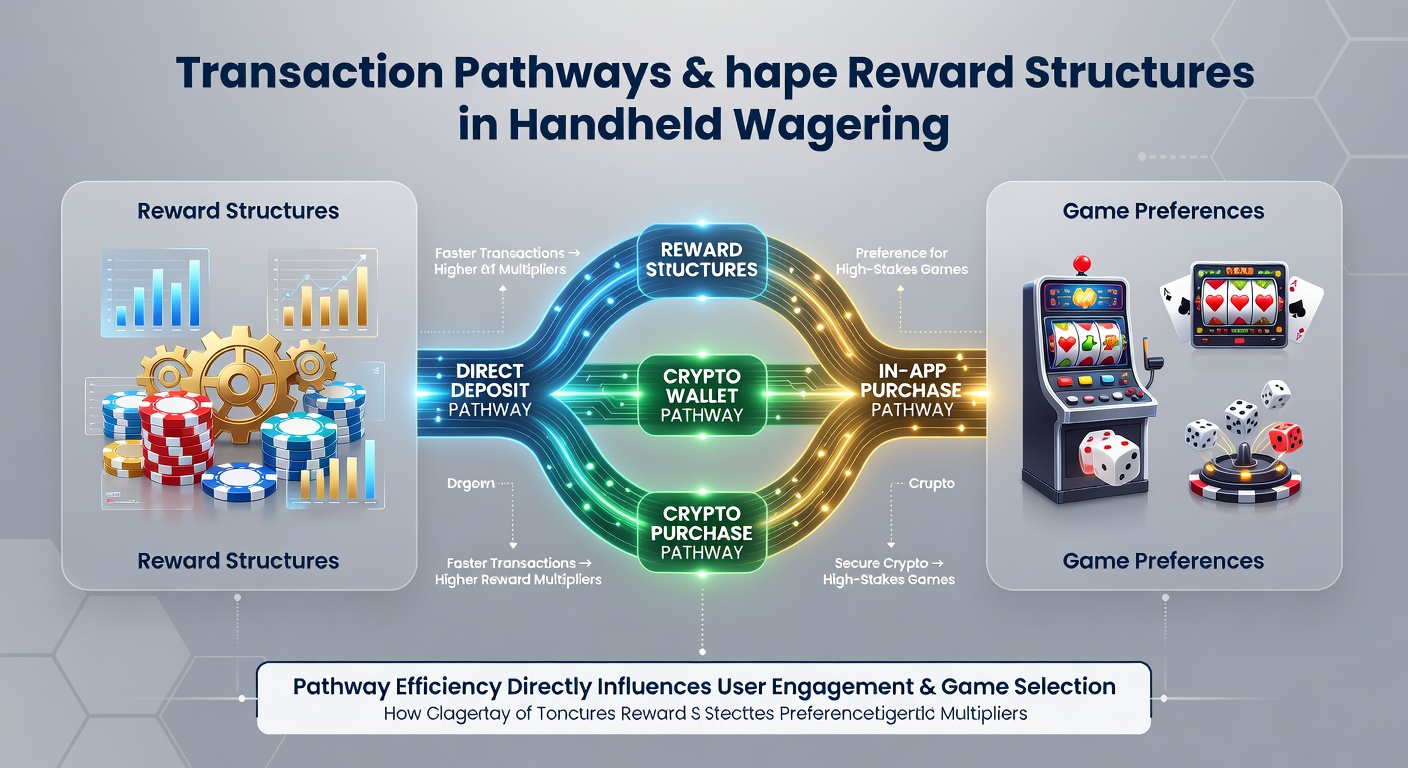
Those who have examined transaction logs across platforms note that reward structures often embed game-specific incentives. Instant pathways frequently promote slots with built-in progressive elements, since immediate bonus credits can be applied before the next spin cycle. Meanwhile, accounts processed through scheduled transfers show elevated activity in poker rooms, where loyalty points convert into tournament entries rather than instant credits. This pattern holds across multiple markets, according to aggregated reports released during the spring of 2026.
Regional Variations in Pathway Adoption
North American operators have integrated more carrier billing options in recent years, and evidence suggests this change expanded access to reward tiers for users without traditional banking apps. Australian data sets similarly highlight how local instant payment rails reduced the gap between deposit and bonus availability, leading to increased selection of high-volatility titles. European markets present a mixed picture, where regulatory frameworks limit certain fast-track methods, resulting in steadier preferences for table games that reward sustained play rather than burst activity.
What's interesting is how these regional differences feed back into reward design. Platforms serving multiple territories adjust bonus structures so that a single game catalog can accommodate varying transaction speeds. Players in areas with robust instant systems encounter more slot-focused promotions, while those in regions emphasizing verified transfers see greater emphasis on loyalty multipliers for table game volume. Industry reports compiled in May 2026 documented this tailoring across leading handheld operators.
Future Trajectory of Integrated Systems
Emerging technologies continue to tighten the connection between transaction speed and reward delivery. Developers are testing embedded wallet features that automatically convert deposits into tiered credits based on historical play patterns, and preliminary observations point toward further segmentation of game libraries. Users who favor rapid pathways may see more real-money live events promoted, while those on slower routes receive curated lists of progressive and strategy titles.
Observers tracking these developments emphasize that the underlying data remains consistent: reward structures mirror the operational characteristics of each payment method. Faster confirmation times enable dynamic bonuses that reward immediate engagement, whereas deferred processing supports longer-term accumulation models. This relationship shows no signs of loosening as handheld wagering expands into new territories.
Conclusion
Transaction pathways ultimately determine both the timing and the form of rewards available in handheld environments, and these mechanics guide player choices toward particular game types. Evidence collected through 2026 illustrates clear correlations between payment velocity and preference trends across slots, tables, and live formats. As systems evolve, the interplay between funding options and reward frameworks will likely remain a central factor in how mobile wagering platforms organize their offerings.