How Loyalty Incentives Interact with Mobile Platform Features to Influence Game Choices
Written by Alex Günther · May 24, 2026
How Loyalty Incentives Interact with Mobile Platform Features to Influence Game Choices
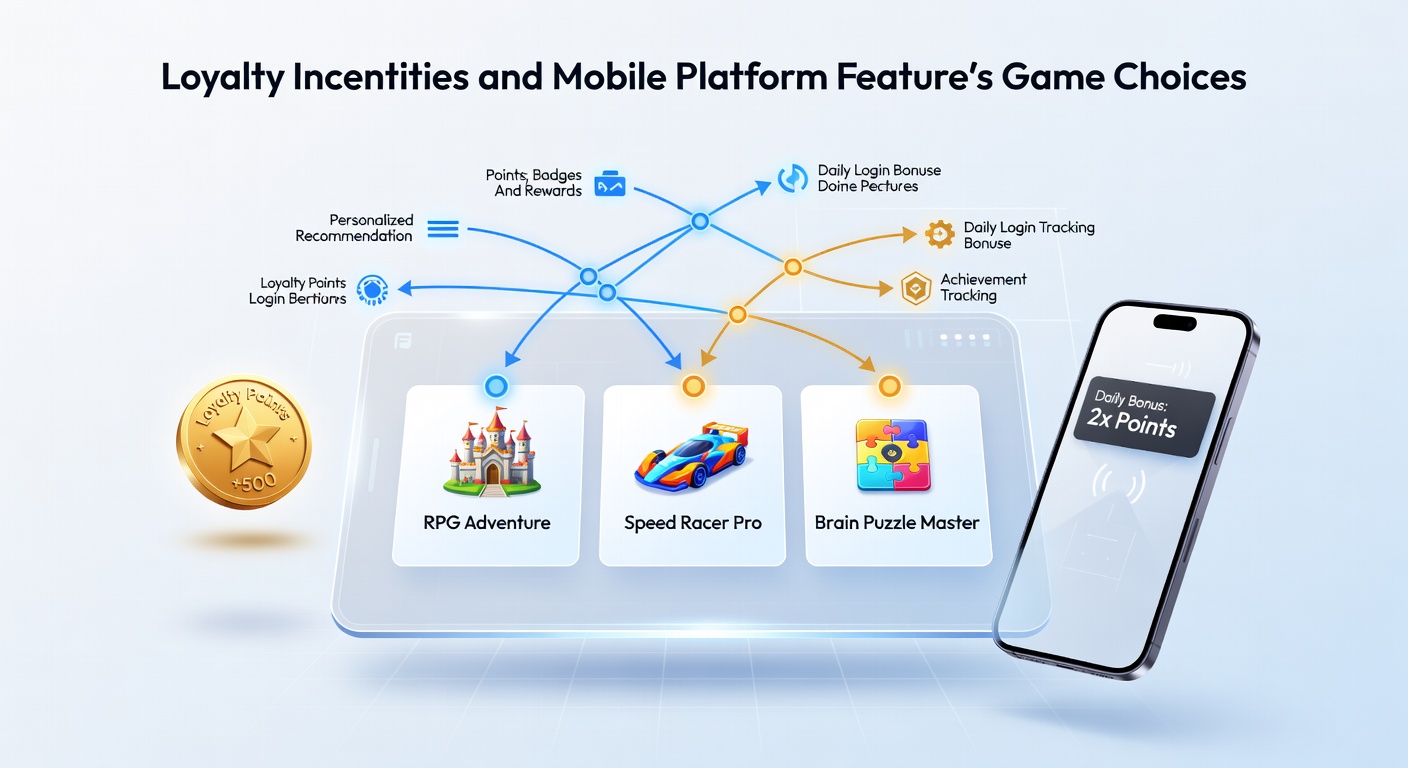
Digital platforms have integrated loyalty programs with mobile device capabilities in ways that shape user decisions across gaming categories, and data from industry analyses shows these interactions affect everything from initial downloads to long-term play patterns. Mobile apps track user activity through built-in sensors and notification systems, which then feed into reward structures that adjust based on location, session length, and spending habits. Research indicates that when loyalty points accumulate faster through specific features like push alerts or in-app purchases, players tend to favor titles that align with those accelerated earning mechanics.
Core Mechanics of Loyalty Integration
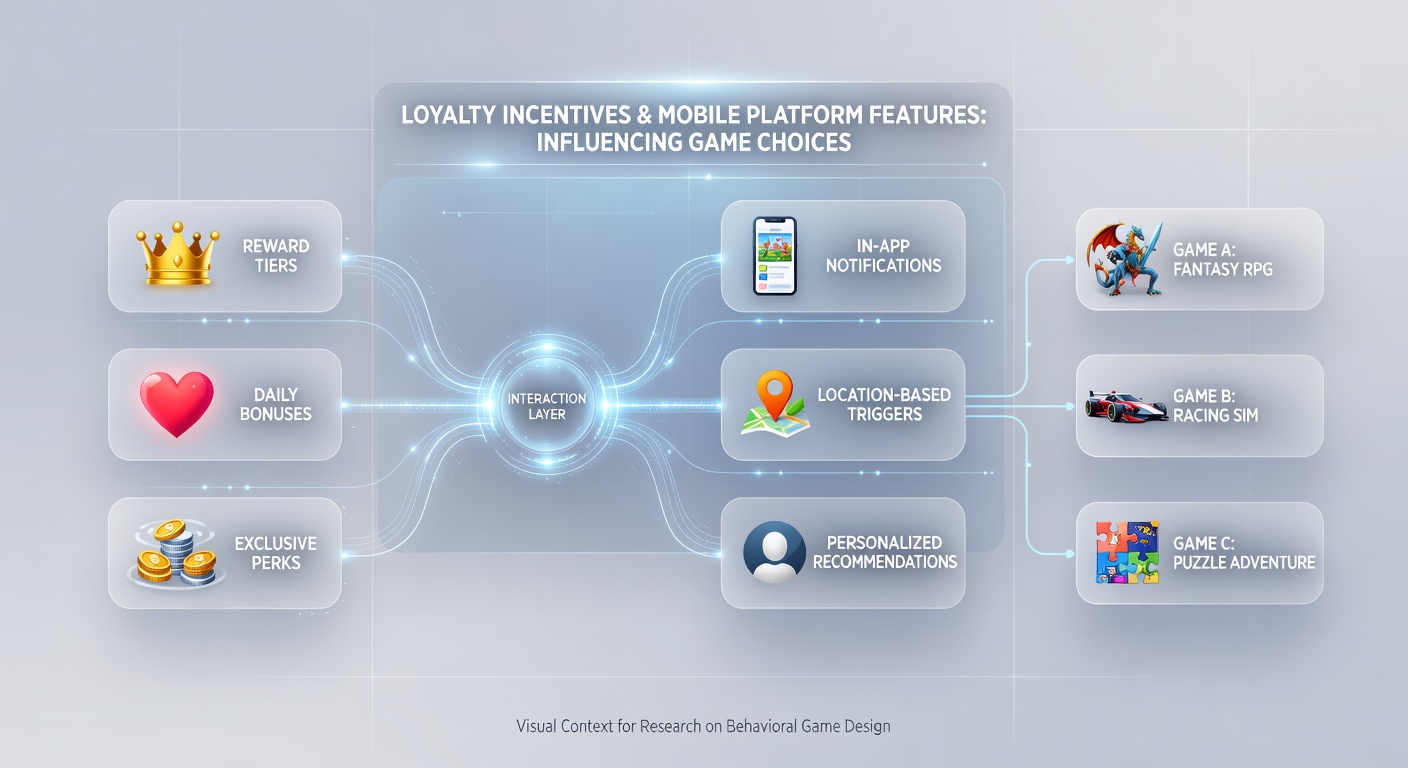
Loyalty tiers operate by awarding points for actions completed within the app environment, and mobile platforms enable real-time updates through cloud synchronization that keeps balances current across devices. Features such as biometric login reduce friction during reward redemptions, which encourages repeated engagement with games that offer tiered bonuses tied to daily check-ins. According to reports from the Nevada Gaming Control Board, mobile wagering applications recorded increased session frequencies when loyalty multipliers activated during peak usage hours identified by device analytics.
Geolocation services further refine these systems by triggering location-specific rewards, so users near partnered venues receive targeted incentives that steer them toward particular slot or table options. Platform algorithms analyze past choices and adjust visible game recommendations to highlight titles where loyalty multipliers apply, creating feedback loops that reinforce certain selections over others. Those who study user data patterns note that cross-promotions between loyalty programs and social sharing tools expand reach while funneling new players into games with high redemption value.
Mobile Features That Amplify Incentive Effects
Push notifications serve as direct channels for loyalty updates, delivering personalized messages about expiring points or limited-time game boosts that prompt immediate launches of specific titles. In-app purchase interfaces streamline reward purchases by embedding loyalty discounts directly into payment flows, which data shows leads to higher conversion rates for games featured in those bundles. Biometric authentication combined with loyalty verification speeds access to VIP sections, and this convenience influences players to select platforms where such seamless entry applies to preferred game types.
Cloud save functionality preserves progress across sessions, allowing loyalty streaks to continue uninterrupted when users switch devices, and this continuity favors games designed around persistent challenges or collection systems. Researchers tracking engagement metrics in May 2026 observed that apps leveraging augmented reality overlays for loyalty milestones saw shifts in player preferences toward interactive experiences over static ones. Payment gateways integrated with reward ledgers provide instant point credits after transactions, reducing the delay between action and recognition that otherwise might divert attention to competing titles.
Patterns in Game Selection Driven by These Interactions
Evidence from platform usage logs reveals that games offering loyalty-linked daily challenges attract higher retention when paired with reminder notifications timed to user activity peaks. Players often migrate toward titles where mobile-exclusive events multiply points faster than standard versions, creating measurable differences in download distributions across categories. Industry organizations such as the Canadian Gaming Association have documented how geofenced promotions tied to loyalty accounts increase participation in regional tournaments hosted within specific apps.
Customization options within mobile interfaces let users filter game libraries by loyalty compatibility, and this sorting capability streamlines choices toward options that maximize return on accumulated rewards. Data indicates that integration with wearable device syncing extends loyalty tracking beyond phones, which broadens the appeal of always-on games that reward continuous monitoring through companion apps. Observers note that when loyalty redemptions unlock exclusive mobile features like faster load times or custom avatars, selection patterns tilt toward those supported environments.
Regional Data and Platform Variations
Reports compiled by the Australian Communications and Media Authority highlight differences in how loyalty systems perform across mobile operating systems, with certain platforms showing stronger correlations between notification frequency and game switch rates. European regulatory summaries point to similar trends where integrated payment and loyalty features correlate with preferences for live dealer formats that update rewards dynamically during sessions. These variations arise because mobile hardware capabilities differ by region and carrier, affecting how seamlessly incentives align with gameplay loops.
Platform developers adjust algorithms based on aggregated anonymized data to optimize which games receive promotional boosts within loyalty dashboards, and this process continually refines the influence pathways without direct user input. Studies from academic institutions examining portable betting environments confirm that users exposed to combined loyalty and feature prompts exhibit more consistent game rotation patterns than those using isolated systems.
Conclusion
The interplay between loyalty structures and mobile capabilities produces measurable shifts in how individuals navigate game libraries, with platform data consistently showing elevated engagement for titles that leverage notification timing, location triggers, and streamlined redemptions. As these systems evolve through ongoing software updates, the documented patterns suggest continued refinement in selection behaviors across user bases. Regulatory bodies and research groups continue to monitor these dynamics to understand broader market implications in digital gaming spaces.