Global Transaction Networks and Their Impact on Mobile Loyalty Tiers for Table Game Enthusiasts
Written by Quinn Otto · Aug 27, 2026
Global Transaction Networks and Their Impact on Mobile Loyalty Tiers for Table Game Enthusiasts
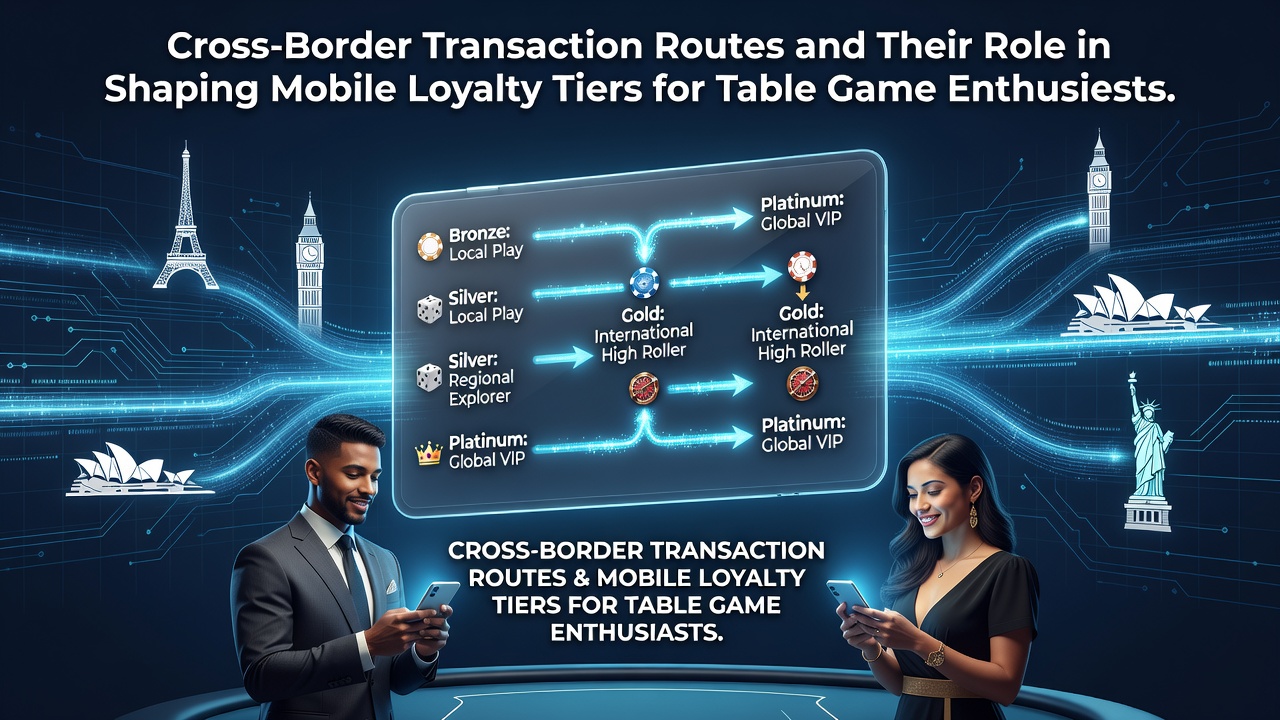
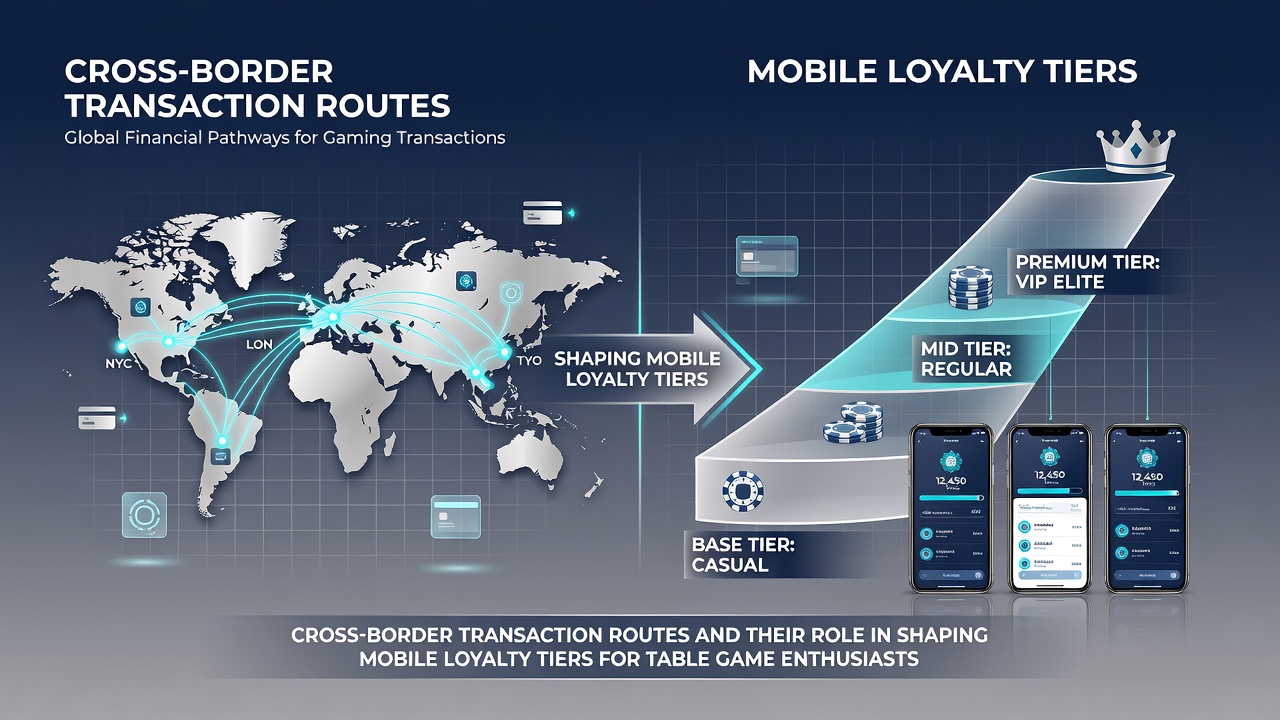
Cross-border transaction routes serve as the backbone for mobile loyalty programs aimed at table game enthusiasts, moving funds across jurisdictions while determining how rewards accumulate and tier structures evolve. These pathways incorporate banking networks, digital wallets, and cryptocurrency channels that operate under varying national regulations, which in turn dictate processing speeds, currency conversions, and compliance checks that affect player progression through bronze, silver, gold, and platinum levels in smartphone applications.
Mechanics of International Payment Flows in Mobile Gaming
Payment processors route transactions through hubs in financial centers such as Singapore, Dublin, and Toronto, where local rules on anti-money laundering and consumer protection intersect with casino operator requirements. Data from the American Gaming Association shows that table game activity on mobile platforms accounted for a rising share of international deposits during 2025, with routes involving multiple currencies often triggering additional verification steps that delay reward crediting until funds clear. Those who study these systems note that players using European banking rails frequently encounter tier upgrades faster than those relying on North American cards because of streamlined settlement agreements between EU member states and certain Caribbean licensed operators.
Influence on Tier Progression for Blackjack and Poker Users
Loyalty algorithms factor in not only wager volume but also the origin and stability of each deposit, which means cross-border routes carrying higher compliance overhead can slow the accumulation of points needed for elite status. Researchers at the University of Nevada, Reno documented cases where table game enthusiasts from Australia reached gold tier status within six weeks when using Singapore-based e-wallets, whereas similar activity through traditional wire transfers extended the timeline by several months due to intermediary bank fees and exchange rate adjustments. Observers note that these differences create segmented player bases, with certain routes favoring rapid advancement in live dealer blackjack rooms while others steer participants toward lower-stakes poker variants until higher verification thresholds are met.
Regulatory Variations Across Regions and Their Effects
August 2026 brought updated reporting standards from the Canadian Gaming Association that required operators to log the precise routing of every cross-border deposit above a set threshold, which directly influenced how quickly loyalty points posted to player accounts. Similar adjustments appeared in Australian regulatory filings, where emphasis on real-time monitoring of international flows prompted several mobile platforms to introduce tier-specific bonuses tied to verified route usage. Experts have observed that these changes do not alter the core mathematics of table games like roulette or baccarat but do reshape the incentive layers built around them, encouraging participants to select payment methods that align with faster reward pathways.
Case Examples from Mobile Platform Data
One documented instance involved a group of European table game players who consistently routed deposits through Baltic banking corridors and achieved platinum status on multiple applications ahead of peers using Latin American card networks, according to aggregated figures released by industry analysts. Another pattern emerged in markets where cryptocurrency channels bypass traditional intermediaries entirely, allowing loyalty points to register almost immediately after blockchain confirmation and thereby accelerating movement between membership brackets. Those who've examined transaction logs across platforms report that such route preferences also correlate with shifts in game selection, as faster tier access often unlocks exclusive live dealer tables with higher minimum bets.
Future Considerations for Payment Integration
Industry reports indicate that operators continue refining their systems to accommodate emerging digital currency rails while maintaining compliance with destination country rules, which could further diversify how loyalty tiers form for table game enthusiasts. Connections between specific funding sources and reward structures remain fluid as new agreements between financial institutions and gaming jurisdictions take effect, creating ongoing adjustments in point multipliers and tier retention requirements.
Conclusion
Cross-border transaction routes continue to define the pace and accessibility of mobile loyalty tiers for table game participants through their interaction with regulatory frameworks, processing efficiencies, and platform algorithms. Patterns observed in 2025 and into August 2026 highlight how these financial networks shape progression opportunities without altering the underlying gameplay mechanics themselves. As additional regions introduce refined tracking measures, the interplay between payment pathways and reward structures will likely produce further variations in how enthusiasts advance through membership levels on portable devices.