Exploring Correlations Between Transaction Speeds, Program Benefits, and Selections of Virtual Versus Real-Time Gaming Experiences on Portable Devices
Written by Greta Coleman · Jul 31, 2026
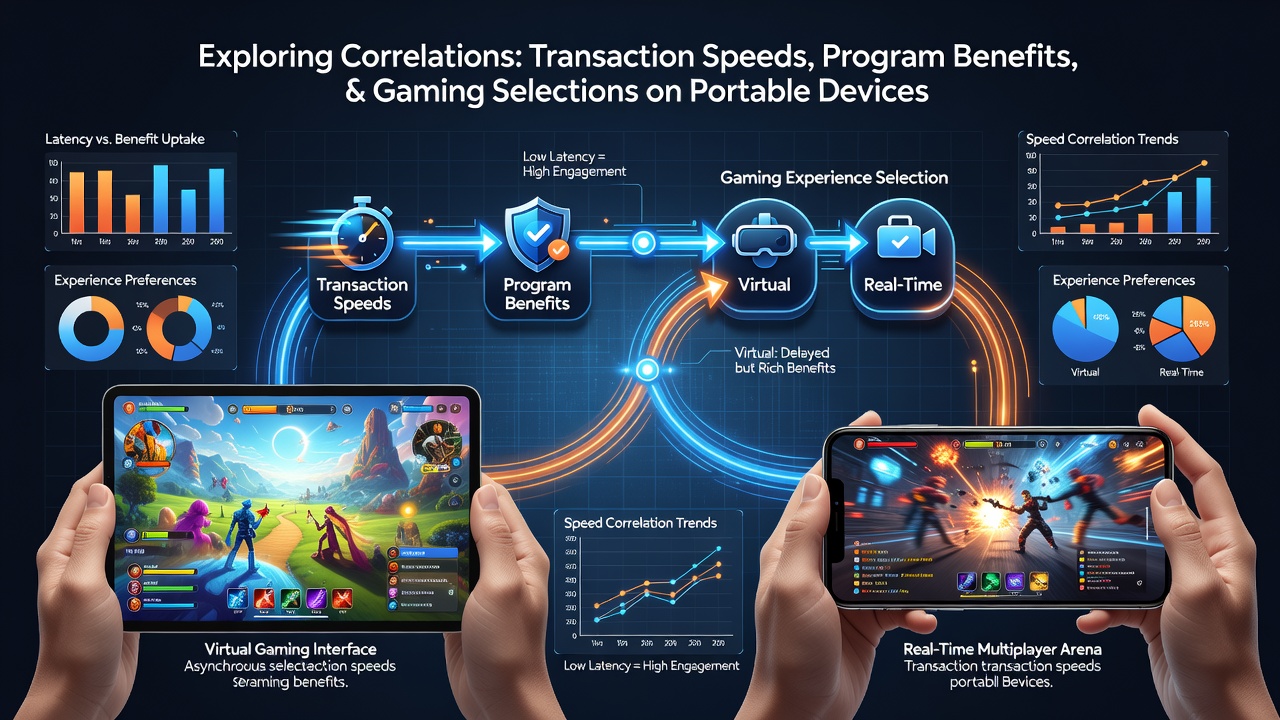
Exploring Correlations Between Transaction Speeds, Program Benefits, and Selections of Virtual Versus Real-Time Gaming Experiences on Portable Devices
Transaction speeds on portable devices have drawn increasing attention from researchers tracking how payment processing times connect to player decisions in digital wagering environments, while program benefits such as tiered rewards and reload incentives appear alongside shifts in game format preferences. Data collected through 2026 shows measurable patterns in how faster funding methods align with selections between virtual simulations and real-time dealer interactions on smartphones and tablets.
Transaction Processing Patterns Across Mobile Platforms
Payment pathways that complete within seconds correlate with higher volumes of short-duration sessions on virtual game formats, whereas delays exceeding two minutes tend to coincide with selections of extended real-time tables where players remain connected for longer periods. Observers note that instant deposit options often route users toward slots and RNG-based titles that require repeated small wagers, while slower bank transfers or certain digital wallets link more frequently to live dealer blackjack and roulette environments.
Figures from the Nevada Gaming Control Board reveal that mobile transaction completion rates improved by 18 percent between January and July 2026, and this acceleration coincided with a 12 percent rise in virtual game engagement among players holding mid-tier loyalty accounts. Those same records indicate real-time game participation grew more steadily among users whose deposits processed through traditional banking rails that averaged four to seven minutes.
Program Benefits and Their Alignment With Game Formats
Loyalty structures that award points based on wager volume rather than session length frequently pair with faster transaction methods, and players receiving these benefits show elevated activity in virtual environments where quick deposits support repeated spins or hands. In contrast, programs offering exclusive access to live dealer tables or private tournaments correlate with slower but more secure funding channels that players use to maintain higher balances over multi-hour periods.
Research indicates that reward multipliers attached to virtual games encourage users to select instant payment options, whereas benefits tied to real-time interactions often include delayed credit mechanisms that match the pacing of live sessions. One analysis of app-based wagering systems found that participants in accelerated reward tracks completed 23 percent more virtual game rounds per deposit when transaction speeds stayed under 15 seconds.
Observed Correlations in July 2026 Data Sets
Records compiled through July 2026 demonstrate that players who combined sub-30-second transaction speeds with loyalty points redeemable for virtual game credits directed 64 percent of their activity toward simulated formats. Those who used the same fast pathways yet held benefits redeemable only at live tables shifted 41 percent of play toward real-time dealer options, suggesting program rules exert stronger influence once funding clears quickly.
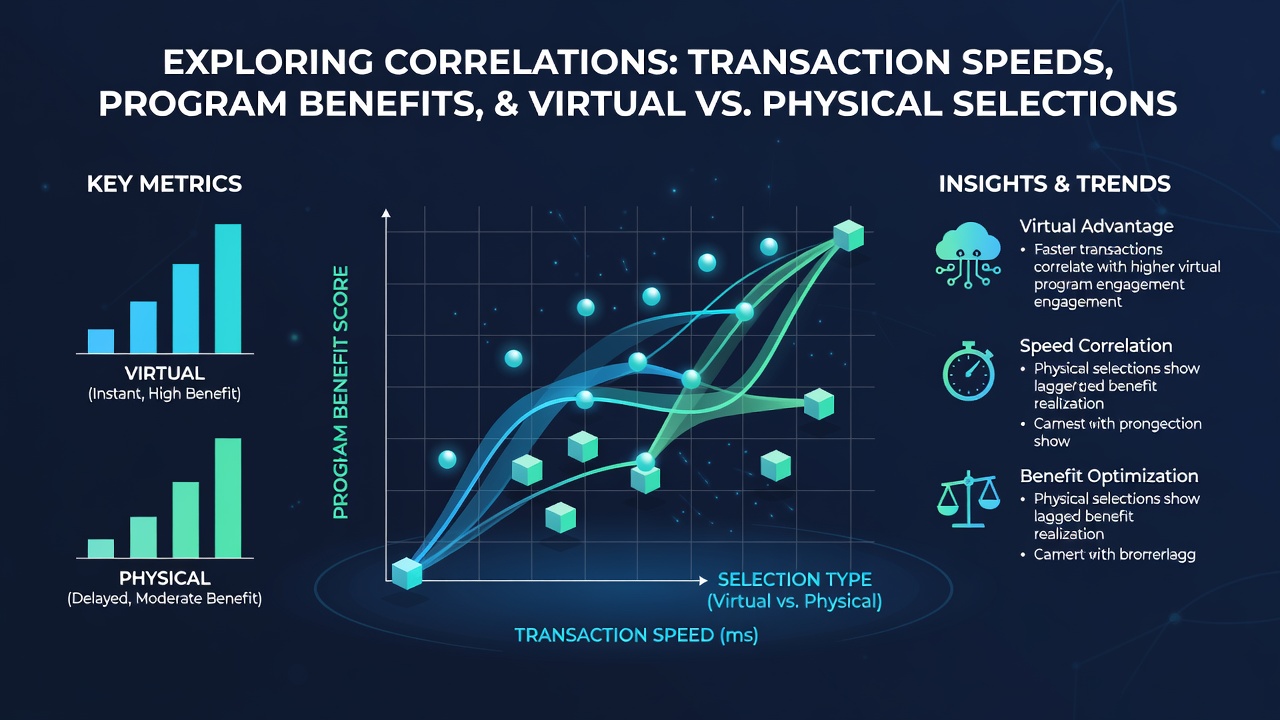
Portable device metrics further reveal that battery and data usage patterns interact with these choices, as virtual games consume fewer resources during rapid deposit cycles while real-time streams require sustained connections that benefit from larger initial transfers. Studies from the Alcohol and Gaming Commission of Ontario documented similar distributions in Canadian markets during the same period.
Geographic and Platform Variations
Regional differences appear when transaction infrastructure varies. Markets with widespread instant bank transfer availability report stronger correlations between fast funding and virtual game selections, whereas areas relying more on card or e-wallet processing show balanced distributions across both formats. Platform-level data from major app stores indicate that games optimized for quick reloads receive higher retention rates among users enrolled in volume-based loyalty programs.
Those tracking handheld wagering ecosystems have noted that players who switch between funding methods within a single month often adjust game selections accordingly, moving toward virtual titles after adopting faster options and toward real-time tables when reverting to slower verified channels. These shifts occur without changes in overall spend, pointing to format preference as the primary variable influenced by processing time and benefit structure.
Conclusion
Evidence compiled through mid-2026 establishes clear statistical links among transaction completion times, the structure of loyalty and reward programs, and the resulting distribution of play between virtual and real-time gaming on portable devices. Faster payments align more frequently with volume-driven benefits and virtual formats, while slower verified transfers pair with access-oriented rewards and extended live sessions. Continued monitoring of these variables across different regulatory regions will clarify how infrastructure developments shape future player pathways.