Demographic Patterns in Game Selection Tied to Deposit Channels and Reward Brackets on Portable Platforms
Written by Alex Günther · Jul 19, 2026
Demographic Patterns in Game Selection Tied to Deposit Channels and Reward Brackets on Portable Platforms
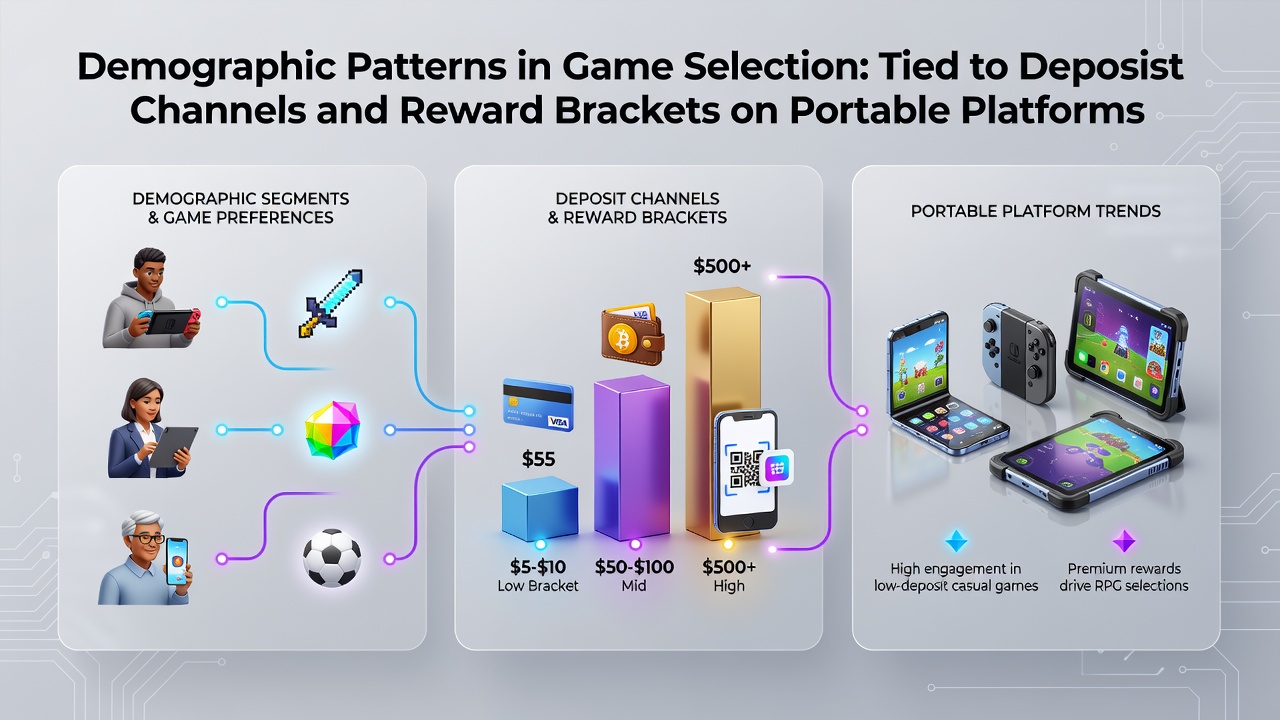
Observers tracking mobile wagering ecosystems note that user demographics shape how players select games, route deposits, and climb reward tiers. Data from portable platform operators shows distinct clusters where age, location, and income levels align with preferences for certain deposit methods and bracketed loyalty programs. These patterns emerge most clearly when analysts cross-reference transaction logs with self-reported player profiles collected across major apps.Age-Based Variations in Deposit and Game Choices
Younger cohorts aged 21 to 34 tend to favor cryptocurrency deposit channels when accessing mobile casino environments, according to aggregated operator reports released in early 2026. These users also gravitate toward high-volatility slot titles that feed into mid-tier reward brackets offering accelerated point multipliers. Meanwhile, players between 35 and 49 show stronger alignment with e-wallet and credit card funding routes, which correlate with steadier engagement in live dealer table games that unlock higher reward brackets after consistent volume thresholds.
Older demographics above 50 demonstrate preferences for bank transfer options that integrate directly with established loyalty structures, often landing in upper reward brackets where table game side bets accumulate additional perks. Research from the New Jersey Division of Gaming Enforcement highlights how these age splits influence overall mobile session lengths, with younger users completing shorter but more frequent deposit cycles tied to instant crypto rails.
Geographic and Income Influences on Reward Brackets
Regional data reveals further segmentation. Users in North American markets outside traditional gaming hubs often route deposits through digital wallets to access portable platform bonuses that map onto entry-level reward brackets. In contrast, participants from European and Australian jurisdictions show elevated use of prepaid card channels that accelerate progression into premium brackets featuring exclusive game libraries. Income brackets play a parallel role, as higher-earning segments demonstrate greater movement into VIP reward levels that emphasize poker variants and blackjack on mobile interfaces.
July 2026 figures from multiple app-based operators indicate that income-linked patterns hold steady even as overall mobile handle grows. Lower to middle income groups cluster around deposit methods that minimize fees, which in turn steer selections toward slots with lower minimum bets that still accumulate points toward bracket upgrades.
Intersections Between Funding Routes and Game Type Tendencies
Payment channel data further refines these demographic pictures. Crypto-funded accounts on portable platforms frequently pair with progressive jackpot slots that sit within reward brackets granting cashback on losses. Traditional card deposits, however, link more often to roulette and baccarat selections that feed into brackets offering tournament entries. Analysts at the Alcohol and Gaming Commission of Ontario have documented how these intersections produce measurable differences in average wager sizes across user segments.
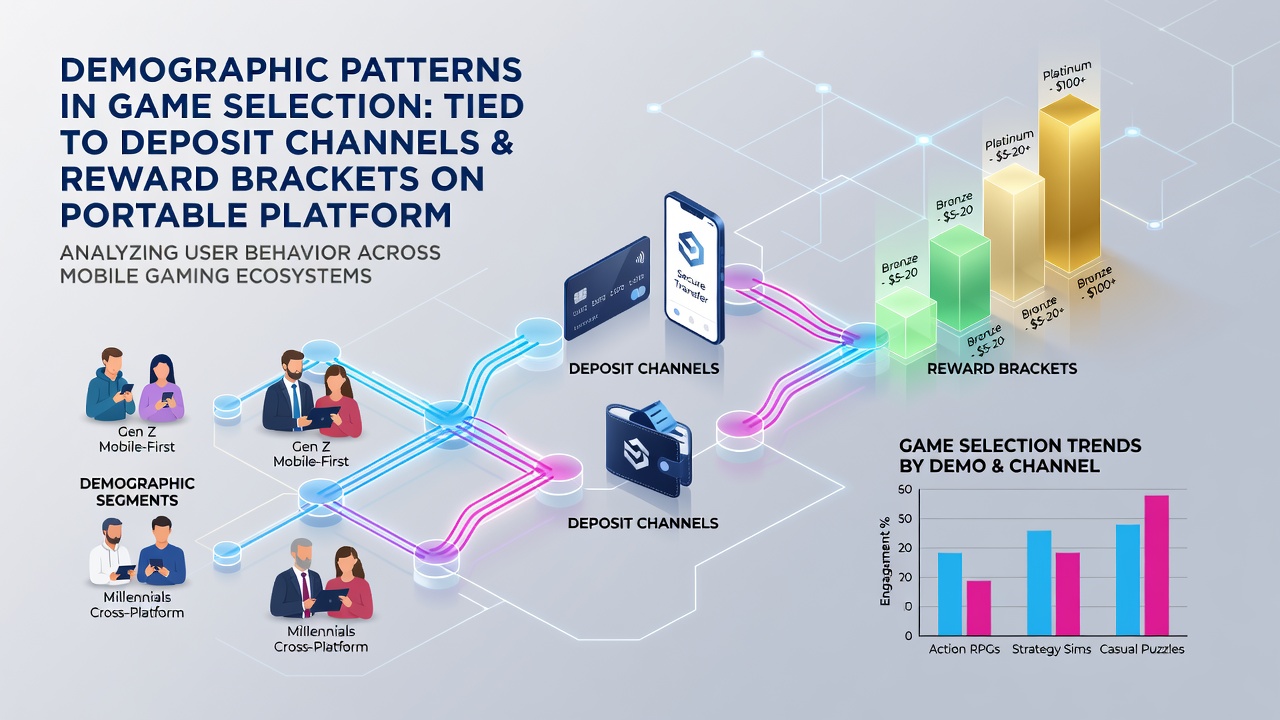
Studies tracking multi-week behavior find that users who begin with smaller e-wallet deposits often remain in mid-level reward brackets while exploring a broader mix of casual slot content. Those who initiate with larger bank wire transfers move faster into elevated brackets that prioritize skill-based table games. The patterns persist across operating systems, suggesting device type exerts less influence than demographic and funding variables.
Recent Data Trends and Platform Responses
Platform operators have adjusted mobile interfaces in response to these observed patterns. Apps now surface game recommendations based on deposit history and current reward bracket status, which researchers note aligns with demographic clustering. Data released in July 2026 from several international operators shows continued growth in mobile-only loyalty programs that tie deposit channel choice directly to bracket advancement speed.
Cross-border comparisons reveal consistent threads. Canadian provincial reports and select U.S. state gaming summaries both point to age and payment method as stronger predictors of game type than gender alone. This holds even as overall participation on portable platforms expands. Observers tracking these metrics emphasize that reward bracket structures act as intermediaries, channeling demographic preferences into measurable gameplay outcomes without altering underlying user motivations.
Conclusion
The documented linkages between demographics, deposit channels, and reward brackets on mobile platforms continue to evolve with new data releases. Patterns identified through transaction analysis and player segmentation provide operators and regulators with clearer maps of how funding routes and loyalty structures shape game selection across age groups, regions, and income levels. Ongoing monitoring through mid-2026 and beyond will determine whether these relationships remain stable as portable wagering ecosystems mature.