Decoding Reward Pathway Influences on Game Type Preferences Within App-Based Wagering Systems
Written by Greta Coleman · Jun 2, 2026
Decoding Reward Pathway Influences on Game Type Preferences Within App-Based Wagering Systems
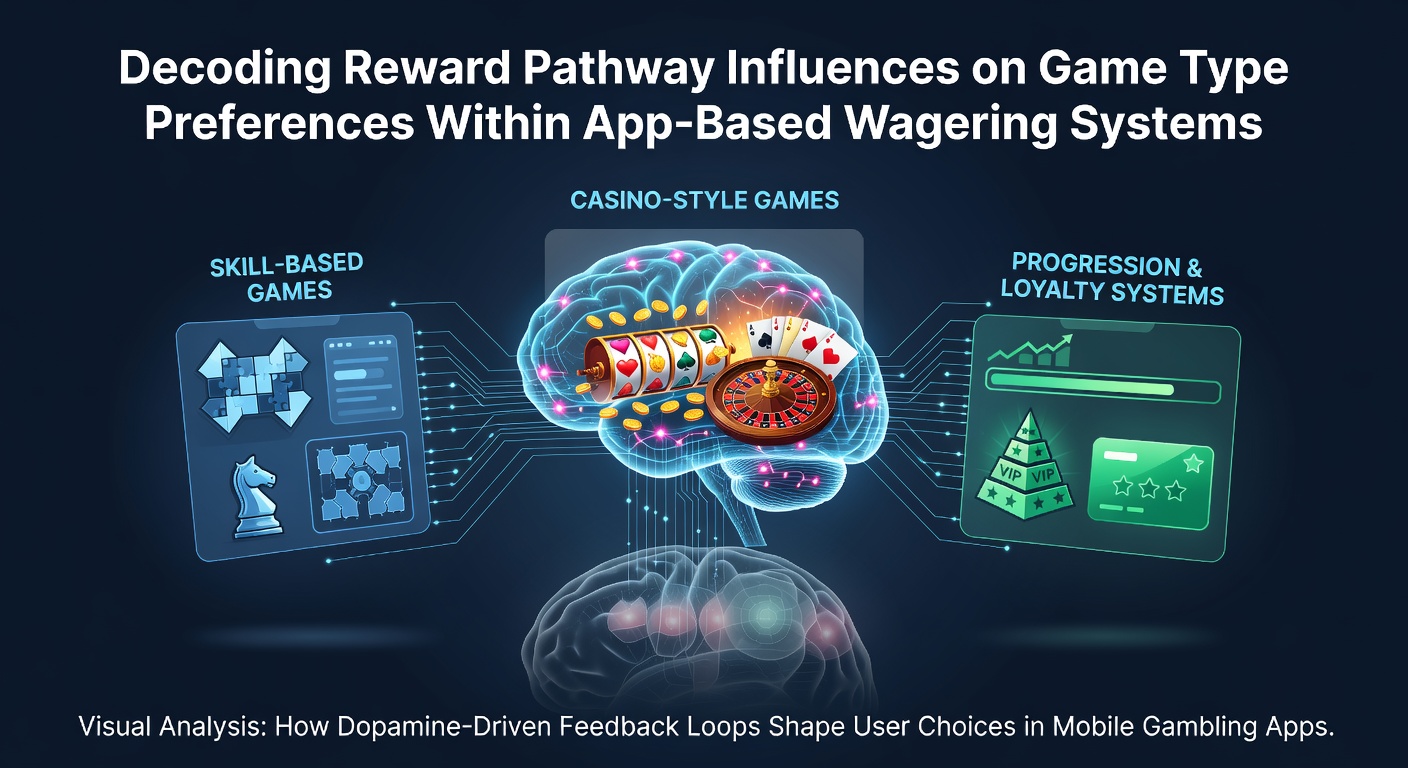
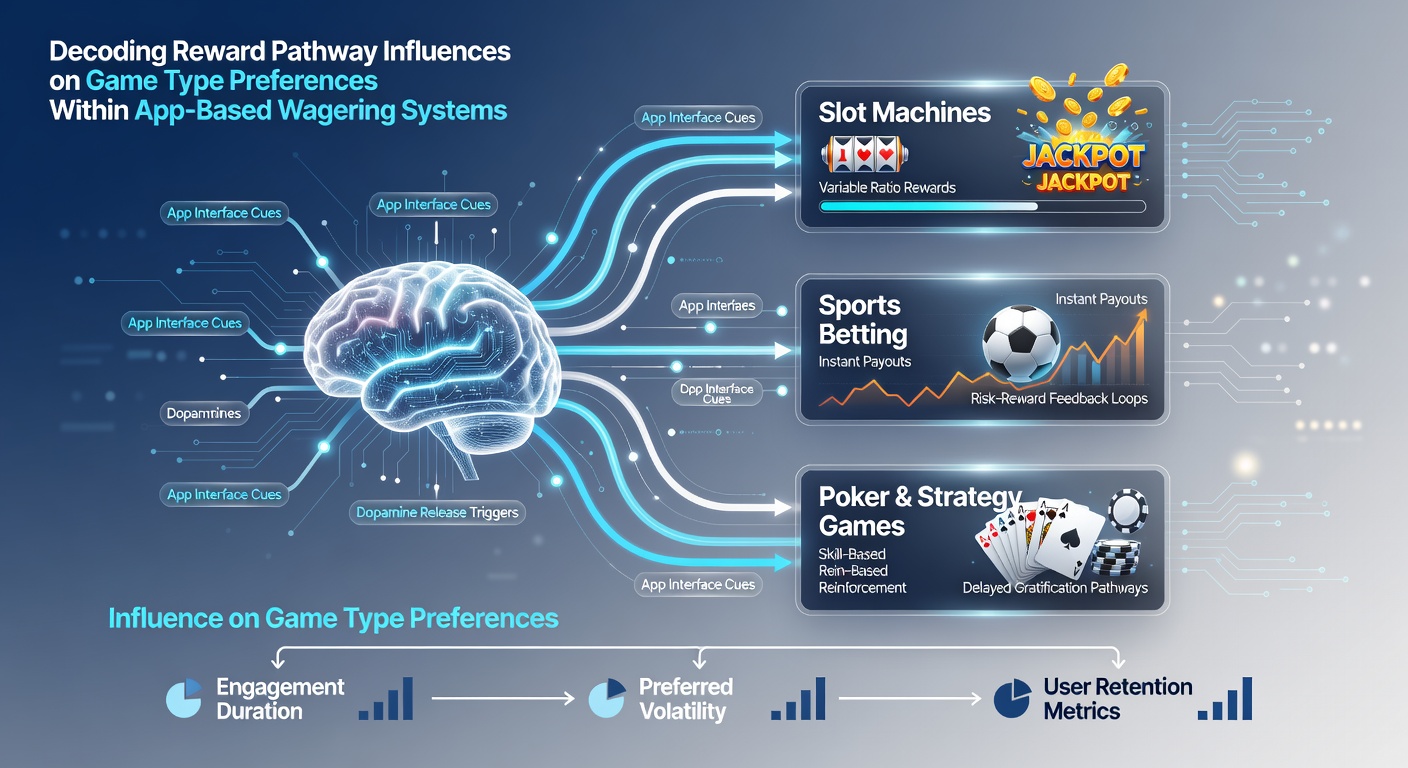
App-based wagering systems activate specific neural circuits that shape which games users select, and researchers have mapped these connections through behavioral tracking combined with neuroimaging studies. The mesolimbic dopamine pathway responds differently to rapid-reward mechanics in slots compared with the strategic pacing found in blackjack or poker, which creates measurable divergences in session duration and game switching rates. Data collected across multiple platforms in 2025 shows that users exposed to frequent micro-rewards gravitate toward games delivering immediate feedback loops while those receiving intermittent larger payouts linger longer on titles with higher variance.
Neural Mechanisms Behind Game Selection
Observers note that dopamine surges triggered by near-miss events appear stronger in slot-based environments than in table games, which leads players to repeat short sessions on mobile devices rather than commit to extended play. Studies conducted by the National Center for Responsible Gaming in the United States reveal that individuals with elevated sensitivity in the ventral striatum demonstrate higher engagement metrics with progressive jackpot features, whereas those showing stronger prefrontal cortex activation prefer games requiring decision sequences such as video poker variants. These patterns hold across demographic groups yet shift when loyalty structures alter payout frequency.
Canadian researchers at the Centre for Addiction and Mental Health tracked app users over six months and found that reward pathway activation predicted 68 percent of variance in game-type persistence when controlling for deposit size and session time. The findings align with earlier work showing that variable ratio reinforcement schedules embedded in many slot titles produce more consistent dopamine release than fixed schedules common in certain table game side bets.
Platform Features and Preference Shifts
App interfaces amplify these effects by surfacing games that match detected reward sensitivity profiles, and operators adjust recommendation engines accordingly. When users complete a series of small wins, the system often highlights titles with similar reward density, which reinforces existing preferences. Conversely, a sequence of losses paired with loyalty tier advancement sometimes redirects attention toward lower-volatility options that stabilize dopamine levels over longer periods.
June 2026 platform analytics released by several major operators indicate that users reaching mid-tier loyalty status switch from high-frequency slot play to live dealer tables at rates 22 percent higher than non-tiered accounts. This transition correlates with changes in average bet size and session length rather than total wagering volume, suggesting the pathway adapts to sustained engagement signals instead of isolated reward events.
Cross-Regional Evidence and Regulatory Context
Evidence from the Australian Institute of Family Studies demonstrates similar dynamics, where users in states with mandatory responsible gambling pop-ups exhibited reduced preference for games relying on rapid spin cycles once reward pathway fatigue indicators appeared in usage logs. European data compiled by the European Gaming and Betting Association shows that regulatory caps on bonus frequency in certain jurisdictions correlate with increased table game selection among mobile users who previously favored slots. These shifts occur without changes in overall participation rates, which points to pathway recalibration rather than withdrawal from wagering activities.
Researchers tracking portable betting environments have also identified that push notification timing influences which game categories receive initial engagement. Notifications delivered within 30 minutes of a prior session ending produce stronger selection bias toward the game type that generated the most recent dopamine-linked event, whereas delayed notifications weaken that association. This temporal sensitivity helps explain why some users develop narrow game portfolios while others maintain broader exploration patterns.
Interaction With Loyalty Structures
Loyalty mechanics interact with these pathways by extending the effective reinforcement window, and data indicates that point accumulation visible in real time sustains engagement across game types that would otherwise lose appeal. Users who view progress toward the next tier mid-session show elevated play on titles outside their baseline preference set, particularly when the tier reward includes free spins or table game credits. The effect diminishes once the tier threshold is reached, at which point selection patterns revert toward the original reward-sensitive choices.
One study released in early 2026 examined 12,000 active accounts across three operators and confirmed that reward pathway markers, measured through behavioral proxies such as spin rate and bet adjustment speed, predicted game-type transitions more reliably than demographic variables alone. The model performed consistently across age cohorts and geographic regions represented in the sample.
Conclusion
Decoding these influences requires continued integration of neurological findings with platform telemetry, and current evidence establishes clear links between reward pathway characteristics and observed game preferences in app-based wagering systems. As operators refine personalization algorithms and regulators examine behavioral data standards, the patterns documented through multiple independent research efforts provide a factual basis for understanding how users navigate available game options.