Charting how funding pathways steer loyalty climbs and tilt selections toward strategy-driven table options in app-based wagering spaces
Written by Alex Günther · Jul 31, 2026
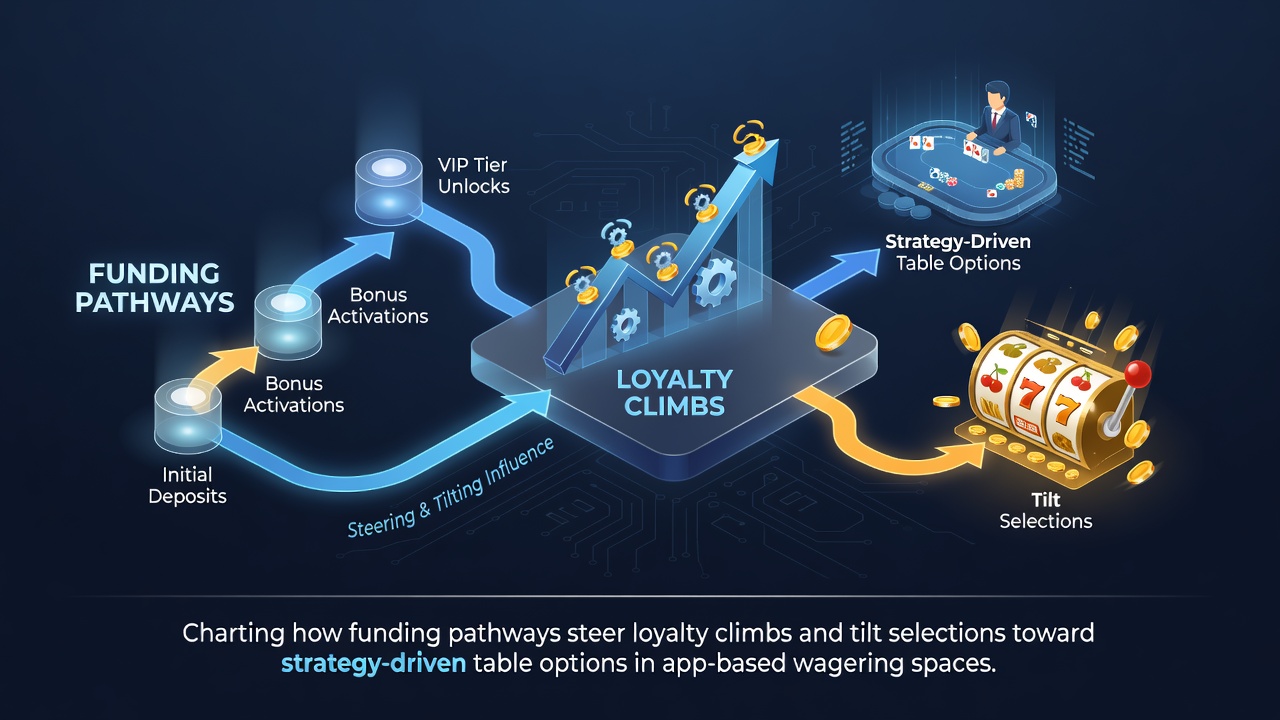
Charting how funding pathways steer loyalty climbs and tilt selections toward strategy-driven table options in app-based wagering spaces
Data from multiple markets shows that payment methods directly shape how users accumulate loyalty points and shift their play toward table games that reward calculated decisions over random outcomes, and this pattern holds steady across regions where mobile platforms dominate activity. Researchers tracking app usage patterns note that deposits processed through instant banking channels often unlock accelerated tier progression, which in turn surfaces promotions that favor blackjack, poker, and baccarat variants with skill elements.
Payment Methods and Their Role in Reward Accumulation
Instant funding routes such as digital wallets and certain cryptocurrency transfers complete transactions in seconds, allowing platforms to credit accounts immediately and register deposit activity toward loyalty milestones without delays that occur with traditional card processing. According to figures released by the Australian Gambling Research Centre, mobile sessions funded this way record higher average deposit frequencies, which correlates with faster climbs through membership brackets that unlock personalized table game incentives.
Bank transfers and prepaid options, by contrast, move through verification steps that slow point accrual, and users relying on these routes tend to remain in lower tiers longer before accessing premium table features. Observers tracking these flows in Canadian provincial data report that loyalty programs adjust multiplier bonuses based on funding speed, steering participants toward methods that keep momentum high and open strategy-focused game libraries earlier in the membership cycle.
Loyalty Tier Progression Patterns
Platform algorithms assign points based on both deposit volume and transaction type, with faster pathways earning multipliers that compound over successive deposits. Those who study user cohorts in European markets find that participants reaching mid-tier status within the first month show a measurable increase in table game selections, particularly variants where decision trees influence outcomes. July 2026 data releases from several operators indicate that loyalty dashboards now display projected tier dates tied explicitly to chosen funding routes, giving users clearer visibility into how their payment choices affect access to strategy-driven tables.
Game Type Shifts Linked to Funding Speed
Once users enter elevated tiers, the available promotions often include reduced house edges on table games or dedicated strategy tutorials that do not appear in lower brackets. Evidence compiled by the European Gaming and Betting Association highlights that apps promoting instant funding see elevated play volumes in poker and blackjack rooms compared with slower funding cohorts, where slot selections remain dominant longer. This tilt occurs because table game lobbies surface more frequently in personalized feeds once loyalty thresholds are crossed via rapid transactions.
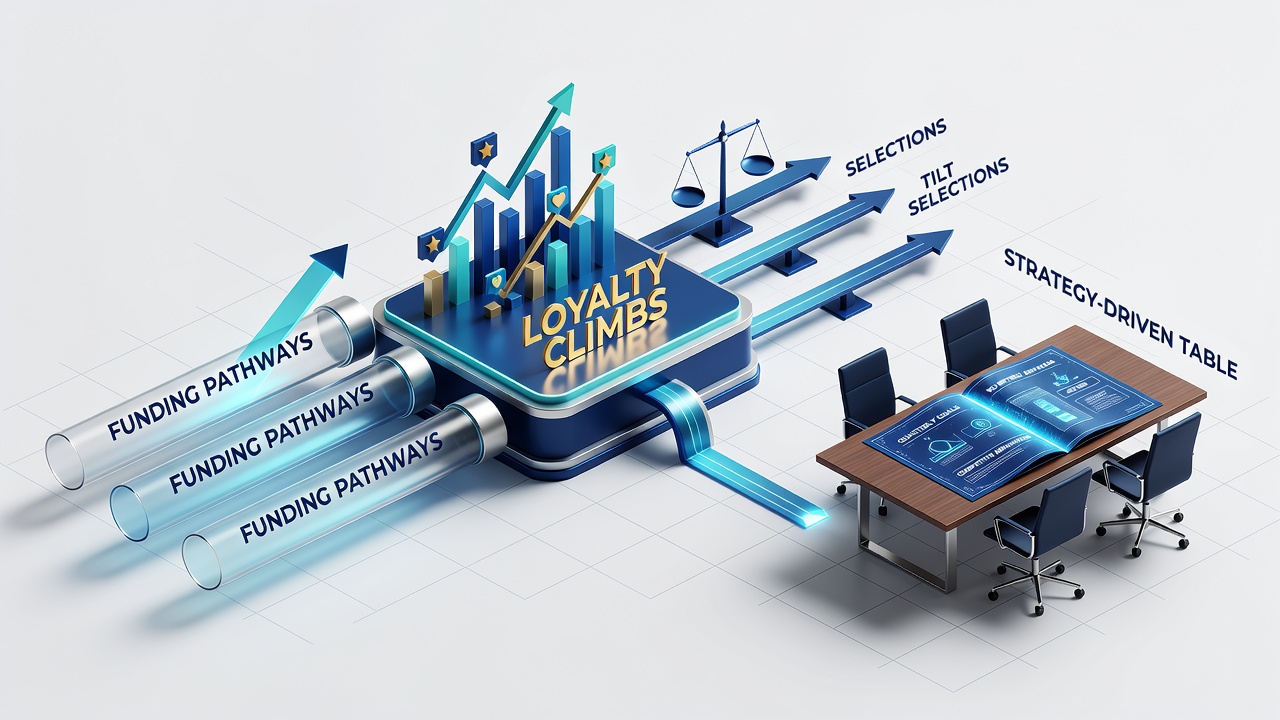
Regional Data and Platform Adaptations
Markets in Asia-Pacific regions demonstrate similar linkages, with regulators noting that apps integrating real-time payment rails report quicker movement toward table-heavy portfolios among loyalty members. Platform operators respond by embedding funding preference prompts that align with tier goals, and users following those prompts record higher engagement with games requiring pattern recognition and bankroll management. Studies from Canadian research institutes confirm that the combination of instant deposits and tiered rewards produces measurable redistribution of playtime away from chance-based titles and toward options where player decisions carry greater weight.
Transaction logs further reveal that funding pathways influence not only speed of progression but also session duration, because table games often feature longer rounds that match the pacing encouraged by loyalty structures rewarding sustained strategic engagement. Platforms adjust their interfaces accordingly, surfacing table options more prominently once funding history shows consistent, rapid deposits.
Conclusion
Available records indicate that funding pathways function as gatekeepers for loyalty advancement and game preference in app-based wagering environments, with faster routes consistently associated with earlier and more frequent selection of strategy-driven table options. Data across jurisdictions shows these patterns persist as platforms refine their systems to connect payment velocity directly with reward mechanics and content prioritization.