Charting Currency Channels to Privilege Peaks and Play Preferences in App-Based Gambling Arenas
Written by Greta Neumann · Jun 14, 2026

Charting Currency Channels to Privilege Peaks and Play Preferences in App-Based Gambling Arenas
App-based gambling platforms continue to evolve their payment infrastructures in ways that directly shape user advancement through loyalty structures and choices among available games, with data from multiple regions highlighting these patterns as of June 2026. Currency channels encompass the range of deposit and withdrawal methods integrated into mobile applications, including digital wallets, bank transfers, and cryptocurrency options, each carrying distinct processing speeds and fee structures that influence how quickly participants accumulate activity points.
Mapping Funding Routes to Tier Advancement
Observers tracking mobile wagering ecosystems note that certain transaction pathways accelerate movement toward higher privilege brackets by offering expedited confirmation times and bonus multipliers tied to deposit volume. Platforms often configure their systems so that users selecting instant funding methods reach elite status thresholds sooner, where those brackets unlock personalized game access and elevated reward rates. Research from the Canadian Gaming Association indicates that participants using faster channels demonstrate higher rates of tier progression within the first quarter of activity compared to those relying on standard bank routes.
Privilege peaks represent the upper levels of loyalty programs where benefits compound, such as dedicated account managers and exclusive event invitations, and these peaks frequently align with users who maintain consistent funding patterns through preferred channels. Data shows that once individuals enter these brackets, their play preferences shift toward table games or high-volatility slots that align with the platform's reward algorithms designed for sustained engagement.
Connections Between Transaction Methods and Game Selection
Studies conducted across European markets reveal that players favoring cryptocurrency deposits tend to gravitate toward progressive jackpot formats and live dealer environments, whereas those utilizing traditional card payments show stronger engagement with classic slot libraries. This divergence stems from how platforms calibrate promotional credits based on the funding source, creating feedback loops where specific channels steer users toward particular game categories. Figures from industry reports compiled by the American Gaming Association demonstrate that such routing mechanisms have contributed to a measurable redistribution of play volume across game types since the expansion of mobile features in prior years.
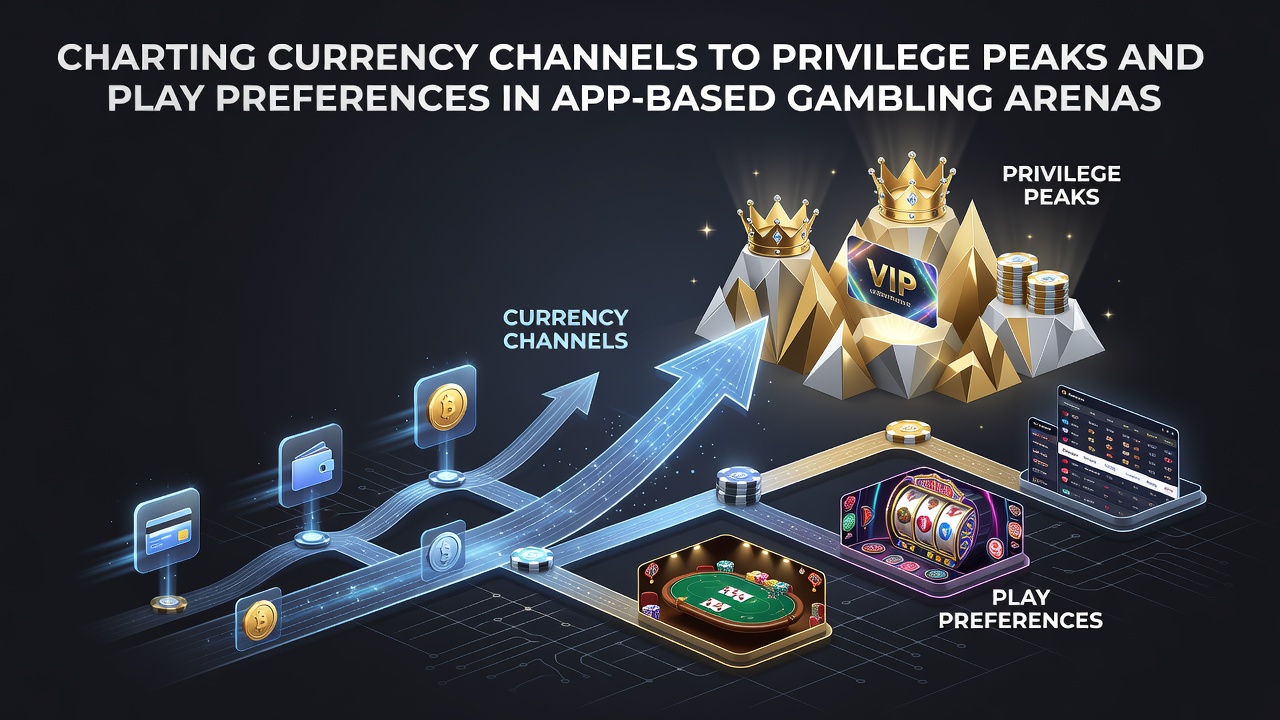
One study revealed that loyalty incentives tied directly to deposit velocity encourage repeated selections of the same currency channel, which in turn reinforces established game preferences over time. Participants who begin with e-wallet transactions often remain within that ecosystem because the associated tier benefits include reduced wagering requirements on winnings from specific titles, locking in patterns that favor those games.
Regional Variations in Channel and Preference Dynamics
Platforms operating in different jurisdictions exhibit unique alignments between available funding options and resulting user behaviors, with North American applications emphasizing integration with regional banking networks that prioritize speed for sports-adjacent casino content. In contrast, applications serving Asia-Pacific users incorporate more diverse cryptocurrency gateways, correlating with elevated participation in strategy-oriented table games according to aggregated platform metrics. Those who've examined these systems observe that regulatory frameworks in each area further modulate how channels connect to privilege systems, producing distinct preference clusters.
What's significant is the way membership levels interact with platform algorithms to suggest games based on historical transaction data, creating personalized pathways that reinforce existing habits. Evidence suggests these mechanisms operate continuously, adjusting recommendations as users cross into new tiers and experiment with alternate funding methods.
Tracking Shifts Through Platform Data
Analysts monitoring app ecosystems report that seasonal events in mid-2026 prompted temporary realignments, where limited-time bonuses attached to particular payment processors drew users toward underrepresented game formats before reverting to baseline preferences. Such events illustrate the temporary plasticity of these connections, yet core patterns tied to channel efficiency persist across longer periods.
Researchers have documented cases where introduction of new digital payment integrations led to immediate upticks in certain loyalty brackets, followed by corresponding increases in live casino table selections among the newly elevated users. These transitions occur because platforms design their progression systems to reward volume through channels that minimize friction, thereby directing traffic toward higher-margin game offerings.
Conclusion
The interplay among currency channels, privilege advancement, and game preferences forms a structured system within app-based gambling environments, where each element reinforces the others through platform design choices. Data from multiple regulatory and industry sources continues to map these relationships, providing clearer pictures of how mobile users navigate funding options toward elevated status and selected entertainment formats. As platforms refine these mechanisms, the resulting patterns offer ongoing insights into user behavior across global markets.