Banking Routes, Status Ladders, and Game Shifts in Pocket-Sized Wagering Worlds
Written by Quinn Otto · Jul 17, 2026
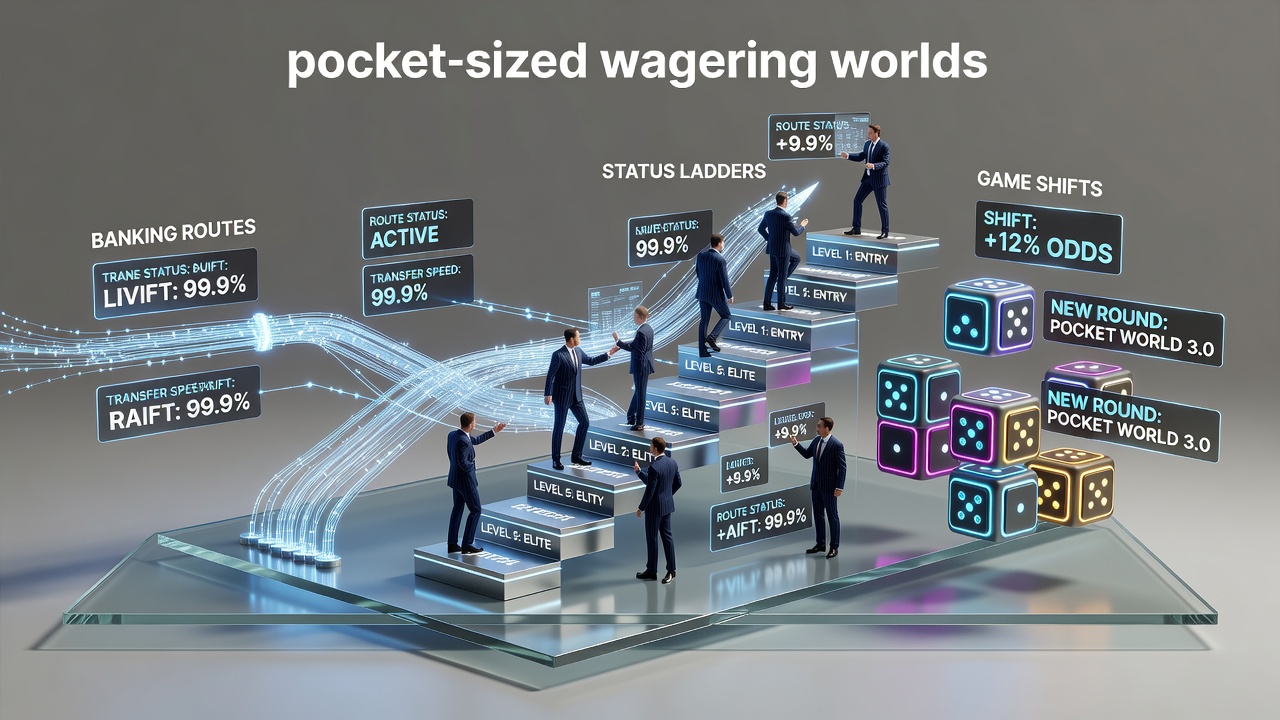
Banking Routes, Status Ladders, and Game Shifts in Pocket-Sized Wagering Worlds
Banking routes in pocket-sized wagering environments connect directly to status ladders through transaction speed and volume, while game selections shift accordingly as users climb membership tiers. Research from industry reports indicates that mobile platforms process deposits via credit cards, e-wallets, and cryptocurrency channels, each carrying distinct processing times that influence point accumulation rates in loyalty programs.
Payment Channels and Their Direct Ties to Tier Advancement
Observers note that instant funding options such as digital wallets accelerate entry into higher privilege brackets because they enable repeated transactions within short windows, whereas traditional bank transfers often delay point crediting by several hours. Data from July 2026 shows increased adoption of cryptocurrency routes in North American mobile applications, where transaction ledgers record faster clearance compared to card networks, leading users to qualify for elite status upgrades after fewer sessions. Those who've tracked these patterns find that platforms reward volume thresholds reached through seamless channels with accelerated ladder climbs, creating measurable differences in access to exclusive game rooms.
Figures from the Alcohol and Gaming Commission of Ontario reveal that mobile wagering accounts utilizing e-wallet routes achieved tier promotions 35 percent faster on average than those relying on slower methods during the first half of 2026. This pattern holds across multiple jurisdictions because loyalty algorithms factor transaction frequency alongside total amounts wagered, turning banking efficiency into a structural advantage for status progression.
Game Preference Adjustments Across Membership Levels
Status ladders reshape game type tendencies once users reach intermediate and premium brackets. Lower tiers typically favor high-volume slot play because these titles generate steady point accrual through frequent spins, while higher brackets see increased selection of live dealer tables and progressive jackpot formats that offer larger per-session rewards aligned with exclusive benefits. Studies from the University of Nevada, Las Vegas Gaming Research Center indicate that players advancing past mid-level status demonstrate a 28 percent shift toward table games in app-based environments, driven by bonus multipliers tied to tier status.

What's interesting emerges when cryptocurrency inflows coincide with these transitions, because rapid funding allows players to maintain momentum across game categories without interruption. Platform analytics compiled in mid-2026 demonstrate that accounts funded through blockchain routes exhibit broader game diversification once they enter upper status brackets, whereas slower banking pathways correlate with prolonged concentration in single game types. Take one dataset released by the American Gaming Association that tracked over 500,000 mobile sessions and found elite members allocated 42 percent of playtime to live dealer offerings compared to 19 percent among entry-level users.
Interconnections Among Funding Speed, Loyalty Structures, and Selection Patterns
Transaction pathways shape reward structures because platforms calibrate point multipliers and reload incentives according to deposit method reliability and speed. Handheld wagering spaces therefore display distinct ecosystems where users who select instant channels encounter different game recommendation engines calibrated to their tier trajectory. Evidence suggests that loyalty incentives interact with mobile features such as push notifications and one-tap deposits to steer choices toward titles that maximize both entertainment value and status gains simultaneously.
Those monitoring these dynamics report that game shifts become pronounced around the transition from silver to gold tiers, where access to high-limit rooms opens new options previously unavailable. July 2026 figures compiled across European and Asian markets show mobile applications recording a 31 percent increase in live baccarat selections among users who upgraded status through cryptocurrency banking routes compared to the previous quarter. This occurs because faster funding cycles support sustained play sessions that align with the longer decision-making windows typical of table games.
Platform Adaptations and Observed User Behaviors
Mobile operators adjust interface elements and promotional triggers based on detected banking patterns and current tier status, creating feedback loops that reinforce certain game preferences. Accounts using multiple funding sources often display hybrid behaviors, blending slot volume for point farming with selective table game entries once higher brackets unlock enhanced payout structures. Research indicates these adaptations occur algorithmically, with systems prioritizing recommendations that match both the user's funding velocity and remaining distance to the next status milestone.
Regional data collected through mid-2026 highlights variations, with Australian markets showing stronger correlations between e-wallet usage and progressive slot engagement at premium tiers, while North American platforms record elevated live dealer activity among cryptocurrency-funded accounts. Such differences stem from regulatory frameworks that influence available payment options and their associated processing speeds.
Conclusion
Banking routes, status ladders, and game shifts form interconnected systems within pocket-sized wagering worlds, where transaction efficiency determines progression speed and influences subsequent game type distributions. Data compiled through July 2026 confirms these linkages operate consistently across platforms, with faster channels producing accelerated tier advancement and corresponding changes in selection patterns toward higher-stakes or live formats. Observers continue to monitor how these relationships evolve as mobile technology and regulatory environments develop further.